 Jane
Jane
Staying active in later years has never been more important. As people age, physical activity supports cardiovascular health, muscle strength, flexibility, balance, mental well‑being, and social engagement. Participating in sports and exercise not only helps maintain physical function, but it also enhances quality of life, fosters friendships, and reduces risks associated with sedentary lifestyles.
Across the globe, older adults are embracing a wide variety of activities that suit different fitness levels and interests. From leisurely outdoor pursuits to gentle competitive sports and low‑impact aquatic exercise, there is something for every senior. Staying active at any age means choosing activities that support health goals and match personal preferences.
The following list explores 10 popular sports for seniors that combine enjoyment, health benefits, accessibility, and community engagement.
10 Must-Try Sports for Seniors to Live Actively
1. Walking And Nordic Walking
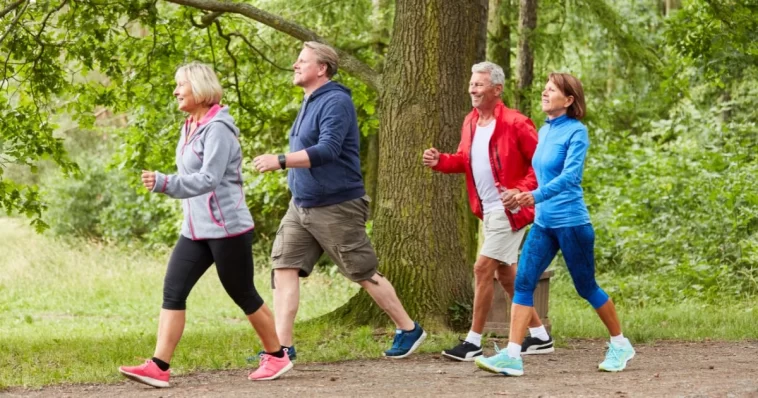
Walking is perhaps the most accessible form of physical activity at any age. It requires nothing more than comfortable shoes and can be done virtually anywhere. Regular walking enhances cardiovascular health, strengthens muscles, boosts balance, and improves overall endurance. Walking can also be social, with walking clubs and groups providing opportunities for companionship and motivation. Adding poles for Nordic walking transforms a walk into a full‑body workout by engaging the arms, shoulders, and core, boosting calorie burn and balance without increasing impact on joints.
Participating in regular walking routines can also lower the risk of chronic conditions such as heart disease and diabetes while maintaining independence and mobility. Walking at a moderate pace has cognitive benefits as well, with interval training like alternating slow and brisk paces shown to improve aerobic capacity and blood pressure among older adults.
2. Swimming And Water Aerobics
Water‑based activities such as swimming and water aerobics have gained popularity for seniors due to their joint‑friendly nature. The buoyancy of water significantly reduces stress on bones and joints while providing resistance that promotes strength, flexibility, and cardiovascular conditioning. Swimming is a whole‑body exercise that engages core muscles, improves posture, and enhances pulmonary capacity without high impact.
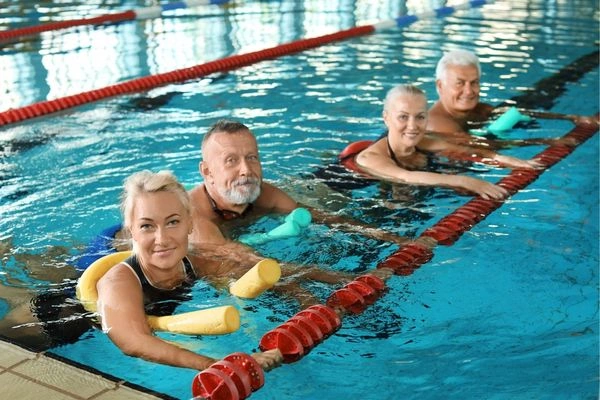
Many community pools, YMCAs, and senior centers offer water aerobic classes designed specifically for older adults. These group sessions provide low‑impact cardiovascular workouts that improve endurance and muscle tone while minimizing risk of injury. Water walking and pool exercises are particularly beneficial for people with arthritis, joint pain, or mobility limitations, making them excellent options for sustained participation in physical activity.
3. Pickleball
Pickleball has rapidly become one of the most popular sports for seniors, blending elements of tennis, badminton, and ping‑pong on a smaller court with a lower net. Its accessible rules, lighter ball, and social nature make it easy for beginners to learn and enjoy. Pickleball encourages moderate‑intensity movement that improves cardiovascular health, hand‑eye coordination, and agility.
The social component of pickleball is a major draw, with many communities offering leagues and regular play sessions that help foster friendships and reduce isolation. Playing pickleball regularly has been linked to improvements in mood, physical function, and overall well‑being among older adults.
4. Golf
Golf is a timeless favorite among active older adults because it combines gentle physical movement with strategy, focus, and social interaction. Walking the course, swinging clubs, and negotiating terrain provide light cardio benefits and help improve balance and flexibility. Golf also offers mental stimulation through strategic thinking and coordination.
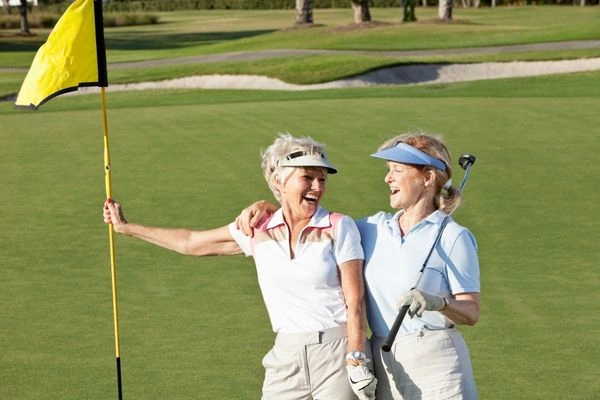
Because the sport can be played at a relaxed pace and allows for customization to one’s fitness level, it remains a beloved pastime for many seniors. Lessons and beginner clinics are widely available at golf clubs, making it easy for newcomers to join and learn.
5. Tennis And Modified Court Sports
Tennis offers seniors a dynamic sport that can improve muscle strength, balance, agility, and cardiovascular conditioning. Research suggests that playing tennis regularly may have longevity benefits, potentially adding years to life compared with other forms of exercise. Older players also benefit from increased bone density and reduced risk of falls due to the sport’s weight‑bearing nature.
For those seeking gentler alternatives, racket sports like badminton or walking netball allow older adults to stay engaged in social competition without high impact or fast running. Walking netball, for example, adapts traditional netball rules so that running and jumping are replaced with walking, extending the sport’s accessibility for older participants.
6. Cycling
Cycling is another excellent low‑impact activity that builds cardiovascular fitness and strengthens leg muscles. Many seniors enjoy biking on local paths, through parks, or in scenic areas where the pace can be adjusted based on comfort and fitness level. Stationary bikes or recumbent cycles offer safe indoor alternatives with additional support and reduced risk of falls.
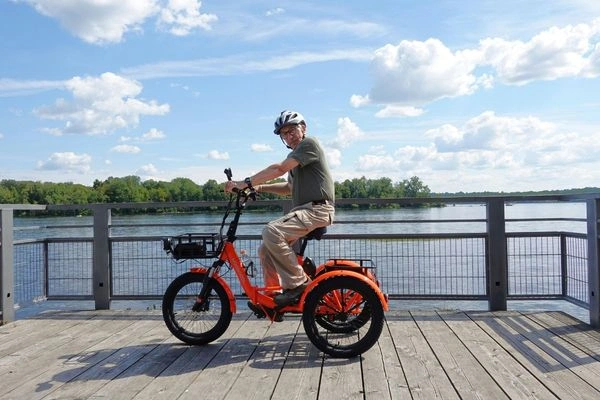
Electric bicycles have also become popular among older riders, allowing them to travel further with less physical strain while still reaping a quality workout. As with other forms of exercise, cycling supports heart health, joint mobility, balance, and overall endurance.
7. Bocce Ball
Bocce ball is a classic sport that combines gentle physical activity with social engagement. With roots dating back thousands of years, this game appeals to seniors looking for a light but active pursuit. Players roll weighted balls toward a smaller target ball while walking, bending, and reaching, which promotes flexibility and coordination.
The light cardiovascular activity and strategic nature of bocce ball make it a fun way to stay active while maintaining social connections. The game also encourages regular movement and balance. It can be played casually with friends or in organized leagues, making it a popular choice in parks and community settings.
8. Bowling
Bowling is both a social and physical activity that offers numerous benefits for seniors. Lanes and leagues around the world provide opportunities for regular play, helping participants enjoy gentle movement that improves hand‑eye coordination, core strength, and arm muscles.
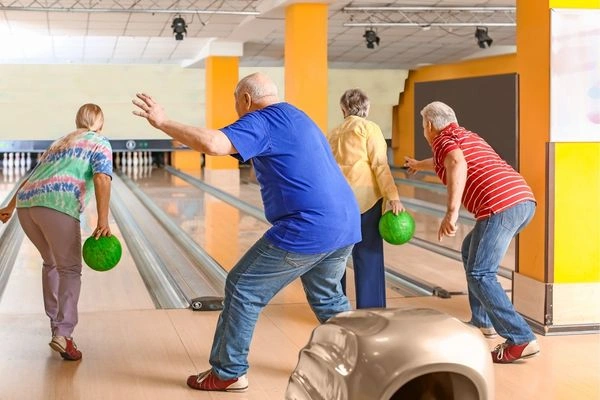
Bowling’s low-impact nature makes it accessible for many older adults, including those with limited mobility or joint issues. Its structured yet relaxed environment can also enhance social well‑being and reduce isolation, making it an excellent option for maintaining both physical and mental health.
9. Table Tennis
Often called the “world’s best brain sport,” table tennis is ideal for seniors seeking both physical activity and cognitive stimulation. The sport requires hand‑eye coordination, quick reflexes, and strategic thinking, which boosts brain health while strengthening leg, arm, and core muscles.
Table tennis is accessible at community centers and recreational clubs and can be played at varying levels of intensity. It is gentle on the joints and provides an aerobic workout that improves flexibility, balance, and cardiovascular health without placing excessive strain on the body.
10. Yoga And Tai Chi
Yoga and Tai Chi are two popular practices for older adults that focus on flexibility, balance, breath control, and mindfulness. Both sports are often described as “meditation in motion,” offering gentle movement routines that improve muscle strength, posture, and coordination.
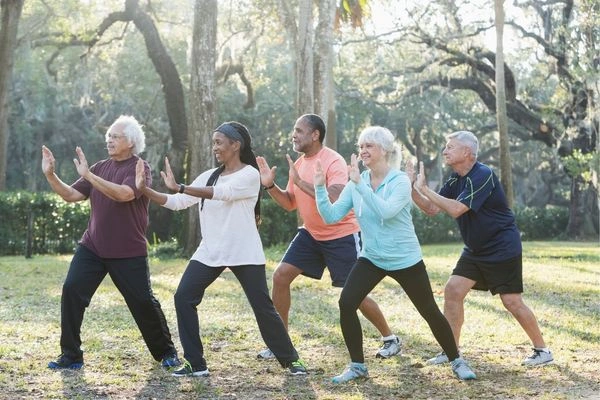
Yoga can be modified to suit different ability levels, with chair yoga options available for individuals with limited mobility. Tai Chi enhances body awareness and improves balance, which helps reduce the risk of falls. Group classes at senior centers and parks also provide a peaceful way to stay active while building social connections and stress resilience.
The Health Benefits Of Staying Active
Participating in sports offers seniors far more than physical fitness. Regular physical activity contributes to mental well‑being, reduces stress, improves sleep quality, and supports cognitive function. Engaging in sports also promotes social interaction, which can reduce feelings of isolation and loneliness—common challenges in older age.
Exercise supports heart health, enhances joint mobility, boosts balance and strength, and helps maintain a healthy weight. It also contributes to independence by improving strength and functional mobility for daily tasks. Joining clubs and community groups related to sports can help older adults remain socially engaged, fostering friendships and a sense of belonging.
Tips For Getting Started Safely
Before beginning any new sport, older adults should consider their current health status and consult healthcare providers if necessary. Choosing activities that match strength, mobility, and comfort levels ensures that exercise remains enjoyable and safe. Starting slowly and gradually increasing intensity helps prevent injuries and supports sustained engagement.
Using appropriate gear and supportive footwear is equally important. For example, choosing water shoes for aquatic sports, a paddle, and comfortable court shoes for pickleball, or well‑fitted tennis shoes for court sports can enhance safety and performance. Warm‑ups and cool‑downs help prepare muscles for movement and aid recovery.
Joining senior sports leagues, community classes, or group sessions can provide motivation and accountability and make the experience more rewarding and fun.
Enhancing Life and Health Through Senior Sports
A vibrant life at any age includes movement, connection, and purpose. Sports offer seniors diverse ways to stay physically fit, mentally sharp, and socially engaged. Whether participating in gentle activities like walking and yoga or enjoying more structured sports like pickleball and golf, staying active contributes to a healthier, happier lifestyle.
The growing popularity of these sports among older adults reflects a broader recognition that age is not a barrier to meaningful physical activity. With access to adapted programs and supportive communities, seniors can continue to enjoy active lifestyles that enhance well‑being and quality of life for years to come.