
 Jane
Jane
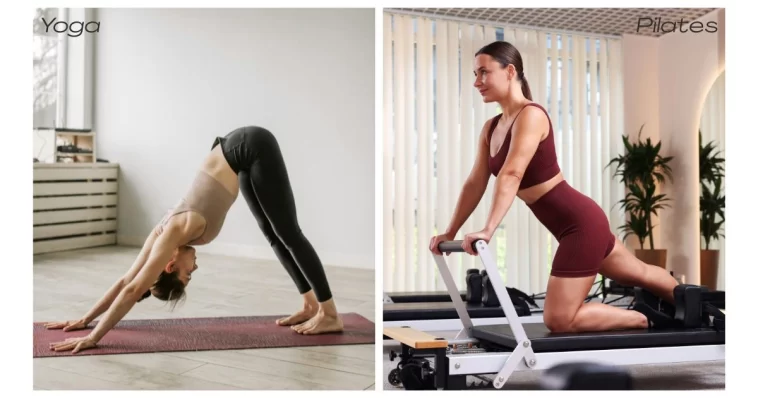
The comparison between yoga vs pilates for weight loss has become a major topic in modern fitness discussions because both workouts promise leaner bodies, better flexibility, and improved strength without heavy gym equipment. They are also widely accessible, which makes them popular among beginners and experienced fitness enthusiasts alike.
Recent wellness trends, including shifts highlighted in fitness routines, show a clear move toward sustainable workouts that are easier to maintain over the long term. Instead of extreme training programs, people are leaning toward low-impact methods that still support fat loss, stress reduction, and better posture. This is where both yoga and pilates continue to stand out.
The real question is not just which burns more calories, but which one fits a lifestyle well enough to stay consistent. Consistency is what ultimately leads to real results.
Understanding Yoga Vs Pilates For Weight Loss
Yoga and pilates are often grouped together because both are mat-based and low-impact, but their effects on the body are very different. Yoga relies heavily on heat, movement flow, and endurance, while pilates focuses on precision, controlled strength, and deep muscle activation.
When comparing yoga vs pilates, it becomes clear that one is cardio-like, while the other is strength-based. This difference affects how each workout contributes to weight loss, muscle tone, and overall body composition.
Key distinctions between the two:
- Yoga increases heart rate through heat and continuous movement
- Pilates strengthens muscles through slow, controlled resistance
- Yoga emphasizes flexibility and endurance
- Pilates emphasizes core strength, posture, and proper body alignment.
Both can support weight loss, but they do it in completely different ways.
What Is Yoga And How Does It Work
Yoga is performed in a heated room, typically set between 90°F and 105°F. The heat makes the body work harder, increasing heart rate and sweating while performing structured yoga sequences. Popular systems include Bikram Yoga, which follows a fixed 26-pose routine, and modern hybrid classes offered by studios like CorePower Yoga.
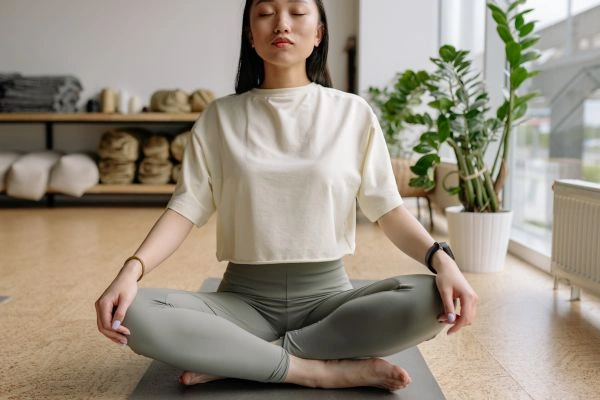
The heat is not just for sweating. It also loosens muscles, allowing deeper stretches and increased flexibility over time. However, the environment’s intensity also requires hydration and proper pacing to avoid fatigue.
How Yoga supports weight loss in real terms:
- Raises heart rate through heat stress and continuous movement
- Increases calorie burn during active sessions
- Improves flexibility, which supports better mobility and exercise form
- Encourages temporary water weight loss through sweating
While it can feel intense and highly effective, fat loss still depends on long-term calorie balance and consistency.
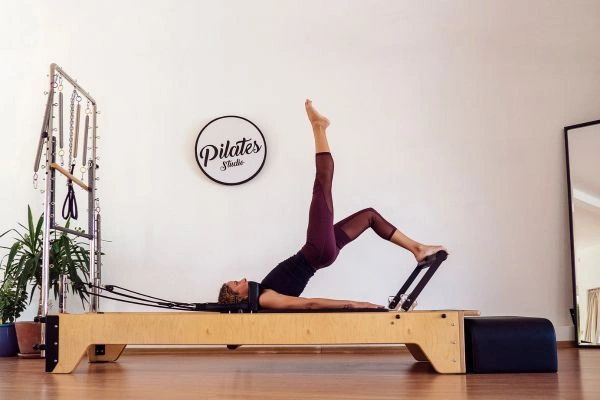
Pilates is a controlled-movement system designed to strengthen deep muscles, especially the core, hips, and back. It was developed to improve posture, stability, and full-body coordination. Today, it is widely practiced in studios such as Club Pilates, Stott Pilates, and reformer-based fitness studios worldwide.
Unlike yoga, pilates does not rely on heat or fast movement. Instead, it focuses on slow, precise repetitions that engage deep muscles. This controlled resistance builds strength without adding bulk, which is why it is often used in rehabilitation and athletic conditioning.
How Pilates supports weight loss:
- Builds lean muscle that increases resting metabolism
- Strengthens the core, improving posture and stability
- Enhances muscle endurance over time
- Improves movement efficiency in other workouts
Pilates may not feel as intense as yoga, but its effects accumulate steadily with consistent practice.
Calorie Burn Comparison: Yoga Vs Pilates
Calorie burn is one of the most discussed factors in yoga vs pilates for weight loss, but it is also one of the most misunderstood. Yoga tends to burn more calories per session because the body is constantly working to regulate its temperature as it moves.
Pilates burns fewer calories per session but builds muscle, helping the body become more efficient over time. This creates a slower but more stable fat loss effect.
General comparison:
- Yoga: moderate to high calorie burn depending on intensity
- Pilates: moderate calorie burn with long-term metabolic support
Important insight:
- Yoga gives quicker visible changes through sweating and water loss
- Pilates produces gradual but lasting body composition changes
Neither method is “better” universally, since both serve different purposes in fat loss and fitness development.
Muscle Tone And Body Transformation Results
Yoga improves flexibility and creates a leaner appearance by reducing fat and improving muscle endurance. However, it does not create significant resistance-based muscle growth.
Pilates, on the other hand, is highly effective for sculpting the body. It targets deep stabilizing muscles that are often ignored in traditional workouts.
Pilates systems and popular methods include:
- Stott Pilates (focuses on spinal alignment and rehabilitation)
- Winsor Pilates (popular for home-based routines)
- Club Pilates reformer training (uses resistance machines for deeper activation)
Pilates transformation benefits:
- Stronger and more defined core muscles
- Improved posture and spinal alignment
- Better balance and coordination
- Reduced risk of lower back pain
Yoga contributes more to flexibility and endurance rather than visible muscle definition.
Fat Loss And Realistic Expectations
Fat loss is not driven by a single workout style but by a combination of diet, activity level, sleep, and consistency. Both yoga and pilates can contribute to fat loss, but neither guarantees rapid results on its own.
Yoga may lead to faster short-term changes due to sweating and increased heart rate. However, much of this early change is water weight rather than fat reduction.
Pilates produces slower visible changes but helps reshape the body through muscle development and improved posture.
Key fat loss factors:
- Consistent weekly workouts
- Balanced calorie intake
- Adequate hydration and sleep
- Long-term adherence to routine
The most effective results come from combining movement styles rather than relying on a single method.
Yoga Vs Pilates For Beginners
For beginners, pilates is often easier to start because it does not involve heat exposure or rapid physical stress. Movements are slow, structured, and easy to follow, especially in beginner classes or guided apps.
Yoga can feel challenging at first due to the heat and sustained movement. Studios like YogaWorks and CorePower Yoga often recommend that beginners start with shorter or lower-intensity classes before progressing.
Beginner-friendly comparison:
- Pilates: easier learning curve, low physical stress
- Yoga: higher intensity, requires heat adaptation
Both are safe for beginners when properly guided, but pilates is generally more approachable.
Safety And Injury Considerations
Both yoga and pilates are considered low-impact, but they come with different safety considerations. Pilates has a lower risk profile due to its controlled movements and slower pace.
Yoga requires more attention to hydration and heat tolerance, especially during longer sessions.
Yoga risks:
- Dehydration occurs when fluids are not maintained
- Dizziness from heat exposure
- Fatigue during longer sessions
Pilates risks:
- Strain from incorrect form
- Muscle overuse if progression is too fast
- Lower back discomfort if alignment is poor
Proper instruction significantly reduces risk in both workouts.
Consistency And Lifestyle Fit
Consistency plays the biggest role in yoga vs pilates for weight loss outcomes. Pilates is easier to maintain because it can be done at home with minimal equipment. This makes it flexible for busy schedules.
Yoga requires access to a heated studio, which may limit frequency for some people. However, many find the environment motivating due to structured classes and group energy.
Lifestyle comparison:
- Pilates: flexible, home-friendly, easy to schedule
- Yoga: studio-based, structured environment
- Both: effective only with consistent practice
The workout that fits more easily into daily life is usually the one that delivers better long-term results.
Which One Burns More Fat Faster
Yoga may lead to faster, more visible changes due to higher calorie burn and sweating. This can make the body appear leaner in a short period of time, especially in the first few weeks.
Pilates promotes slower, but more stable, fat loss by improving muscle tone and metabolic efficiency. Over time, this leads to a more sculpted and balanced body shape.
Simple breakdown:
- Yoga: faster, short-term, visible changes
- Pilates: stronger, long-term body shaping
- Combination: most balanced and sustainable results
Many modern fitness programs now recommend combining both styles for optimal results.
Frequently Asked Questions
- Which Burns More Fat, Yoga Or Pilates?
Yoga typically burns more calories per session, while pilates supports long-term fat loss by building muscle and improving metabolism.
- Is Pilates Or Yoga Better For Beginners?
Pilates is generally better for beginners due to its slower pace and lower physical intensity compared to heated yoga sessions.
- Can Yoga Help Reduce Belly Fat?
Yoga can support overall fat loss, but reducing belly fat depends on maintaining a full-body calorie deficit and consistency over time.
- How Often Should Pilates Or Yoga Be Done?
Three to five sessions per week can lead to noticeable fitness improvements when combined with proper nutrition and recovery.
- Can Yoga And Pilates Be Combined?
Yes, combining both can enhance flexibility, strength, and fat loss while creating a more balanced overall fitness routine.
Yoga Vs Pilates For Weight Loss
The discussion about yoga vs pilates for weight loss does not have a clear winner, as both workouts support fat loss in different ways. Yoga focuses on calorie burn, flexibility, and endurance through heat-based movement, while pilates builds strength, posture, and long-term body composition improvements.
The best choice depends on personal goals, comfort level, and how easy it is to stay consistent. Over time, combining both workouts often produces the most balanced and sustainable results, especially when paired with healthy nutrition and regular activity.