 Jane
Jane
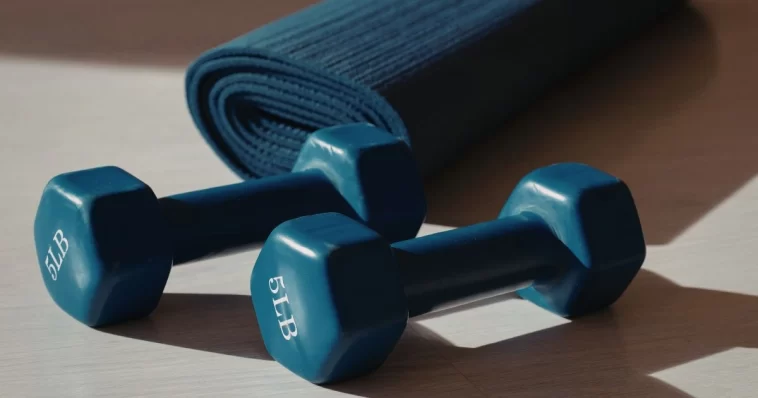
Creating a functional fitness space at home no longer requires a full spare room or expensive machines. With the right mix of home workout equipment, even a small corner can become a place where strength, endurance, and consistency grow over time. Recent fitness coverage and product reviews highlight a clear trend: people are choosing compact, versatile tools that deliver real results without taking up too much space.
This guide breaks down the most practical and effective gear available today. Each item is chosen for usability, space efficiency, and its ability to support a range of fitness goals, from fat loss to muscle building. Whether the goal is to stay active, lose weight, or move more, these picks help turn limited space into a personal gym that actually gets used.
Why Home Workout Equipment Is Worth The Investment
Building a home gym is less about convenience and more about consistency. When workouts are just a few steps away, it becomes easier to stay on track. Recent fitness insights highlight that accessibility is one of the biggest factors in long-term adherence to exercise routines.
Another benefit is flexibility. Gym hours, travel time, and crowded spaces are no longer obstacles. With well-chosen home workout equipment, workouts can happen anytime, whether it is a quick 20-minute session or a longer strength routine. This level of control often leads to better results over time.
Cost is also a factor. While the initial setup may require some spending, it often pays off compared to long-term gym memberships. More importantly, the equipment listed below focuses on multi-use tools, so each item offers multiple training options.
Choosing The Right Equipment For Small Spaces
Not all fitness gear works well in tight areas. The key is to prioritize items that are compact, easy to store, and versatile. Equipment that supports multiple exercises is always a smarter choice than single-use machines.
Another important factor is durability. Reviews often highlight that cheaper equipment may save money upfront, but tends to wear out quickly. Investing in well-reviewed, sturdy gear ensures better performance and safety.
Lastly, consider personal fitness goals. Strength training, cardio, flexibility, and recovery all need different kinds of equipment. A balanced setup usually includes a mix of resistance-based and mobility-focused equipment.
1. Adjustable Dumbbells
Adjustable dumbbells are among the most space-saving strength-training tools available. Instead of owning multiple sets, a single pair can replace an entire rack. This makes them a great fit for small apartments or shared living spaces.
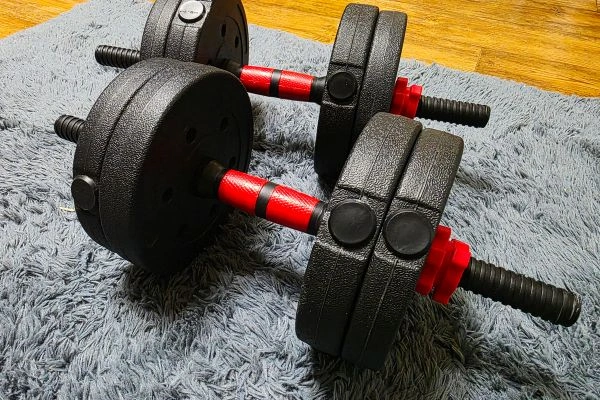
They support a wide range of exercises, including presses, rows, squats, and lunges. Recent product reviews highlight improved locking systems and faster weight adjustments, making workouts smoother and safer. For anyone serious about strength training at home, this is often the first investment.
2. Resistance Bands
Resistance bands are light, budget-friendly, and highly versatile. They work well for both beginners and experienced users. From strength training to mobility work, they can target nearly every muscle group.
Another advantage is portability. Bands can be stored in a drawer or carried while traveling. Many recent fitness articles emphasize their effectiveness for muscle activation and injury prevention, making them a smart addition to any home setup.
3. Foldable Workout Bench
A foldable bench adds variety to strength workouts without taking up permanent space. It can be used for chest presses, step-ups, incline exercises, and more.
Modern designs focus on easy storage. After a workout, the bench can be folded and tucked away under a bed or against a wall. Reviews often highlight this as a key feature for people living in smaller homes.
4. Jump Rope
A jump rope is one of the simplest yet most effective cardio tools available. It improves coordination, burns calories quickly, and requires very little space.
Fitness experts continue to recommend jump ropes for high-intensity interval training. With just a few minutes a day, you can improve endurance and support your fat-loss goals.
5. Yoga Mat
A quality yoga mat is essential for comfort and safety. It provides cushioning for floor exercises and helps prevent slipping during workouts.
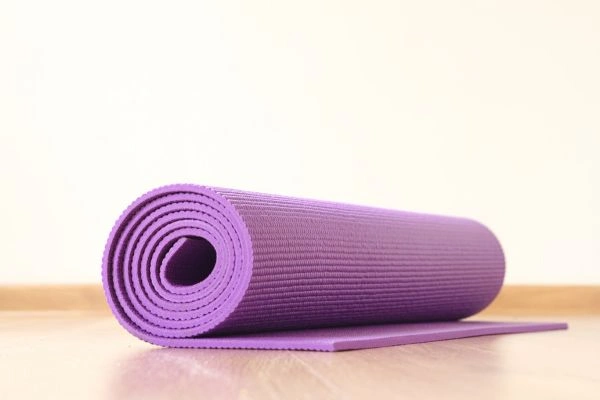
Beyond yoga, it supports stretching, core workouts, and bodyweight training. Many recent reviews focus on thickness and grip as key features, especially for people working out on hard floors.
6. Kettlebells
They are compact but highly effective. Fitness professionals often recommend kettlebells for building functional strength and improving overall conditioning. A single kettlebell can effectively target the entire body.
7. Pull-Up Bar
A doorway pull-up bar is a simple way to add upper-body training at home. It targets the back, shoulders, and arms without requiring large equipment.
Many models are easy to install and remove, making them suitable for rental spaces. Reviews frequently mention their durability and the variety of grip options they support for a more complete workout.
8. Adjustable Resistance Trainer
Suspension trainers rely on body weight to create resistance. They can be attached to doors, beams, or sturdy frames, making them ideal for small spaces.
They allow for a wide range of exercises, from rows to core work. Fitness articles often highlight how they can improve balance and stability while building strength.
9. Foam Roller
Recovery is just as important as exercise. Foam rollers help ease muscle soreness and improve flexibility.
10. Compact Treadmill
For those who prefer indoor cardio, compact treadmills are becoming more popular. Many newer models are foldable and designed specifically for small spaces.
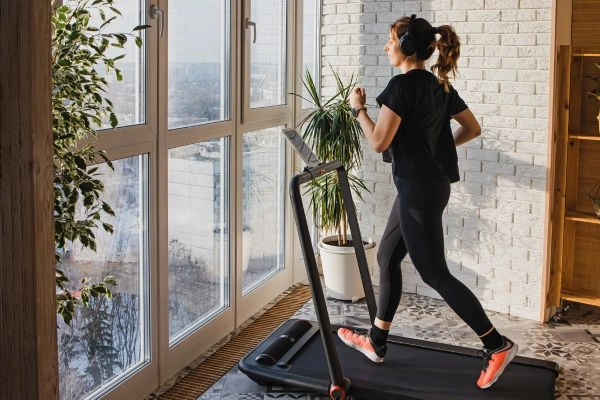
They allow for walking or running without leaving home. Reviews often mention quieter motors and slim designs, making them suitable even for apartments.
11. Exercise Bike
An exercise bike provides low-impact cardio that is easy on the joints. It is a great option for beginners or those recovering from injuries.
Modern designs focus on space efficiency. Some bikes can be folded or moved easily, making them practical for smaller homes. They also often include adjustable resistance levels for varied workouts.
12. Core Sliders
Core sliders are small discs that increase the intensity of bodyweight exercises. They are especially effective for core training, targeting the abs and stabilizing muscles.
They take up almost no space and can be used on different surfaces. Fitness experts often recommend them to improve balance and strengthen the core.
13. Medicine Ball
A medicine ball adds dynamic movement to workouts. It can be used for throws, twists, and strength exercises.
It helps improve coordination and power. Reviews often highlight its usefulness for functional training and full-body workouts, even in limited spaces.
14. Smart Fitness Mirror
Smart fitness mirrors are becoming a popular addition to home gyms. They combine technology with training by offering guided workouts and real-time feedback.
While they require more investment, they provide a structured fitness experience. Many users find them helpful for staying motivated and following professional routines at home.
15. Storage Rack Or Organizer
Keeping equipment organized is essential in small spaces. A compact storage rack helps prevent clutter and makes gear easier to access.
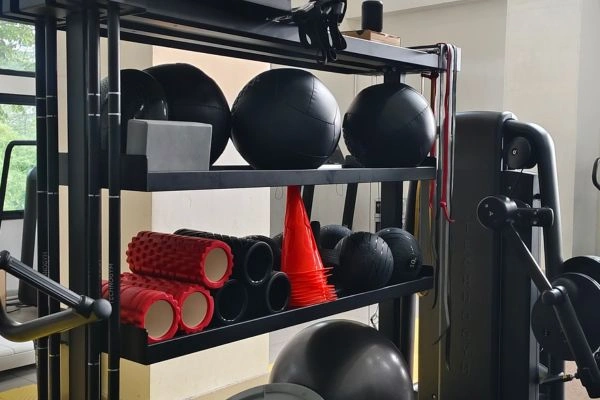
It also improves safety by helping reduce tripping hazards. Many recent product reviews emphasize the importance of organization for maintaining a consistent workout routine.
Home Workout Equipment Setup Tips For Small Spaces
Creating a functional workout area does not require a full room. A simple layout with enough space to move safely is often enough. The key is to keep frequently used equipment within easy reach.
Vertical storage is especially useful. Wall-mounted hooks or racks can hold resistance bands, jump ropes, and other small items. This keeps the floor clear and helps maximize available space.
Lighting and ventilation also matter. A well-lit, comfortable space makes workouts more enjoyable, helping build long-term consistency.
Common Mistakes To Avoid When Setting Up A Home Gym
One common mistake is buying too much equipment at once. It is better to start with a few essentials and add more over time as needed.
Another issue is ignoring quality. Cheaper items may seem appealing, but they often wear out quickly. Investing in reliable home workout equipment improves performance and safety.
Finally, lack of planning can lead to clutter. Without proper organization, even the best equipment can become unused. A simple, well-thought-out setup is always more effective.
How To Stay Consistent With Home Workouts
Consistency often depends on routine. Setting a regular workout schedule helps build discipline and makes exercise a habit rather than a task.
Variety also plays a role. Using different types of home workout equipment keeps workouts interesting and prevents boredom. Mixing strength, cardio, and mobility training improves overall fitness.
Tracking progress can also help. Whether through apps or simple notes, seeing improvement over time builds motivation and keeps goals clear.
Frequently Asked Questions
- What Home Workout Equipment Is Best For Beginners?
Adjustable dumbbells, resistance bands, and a yoga mat are great starting points. They are affordable, versatile, and easy to use for a wide range of exercises.
- How Much Space Do You Need For A Home Gym?
A small area, even as little as 1.5 to 2 square meters, is enough for basic workouts. Choosing compact, multifunctional equipment makes the most of limited space.
- Do Home Workouts Work As Well As Gym Workouts?
Yes, with the right equipment and consistency, home workouts can be just as effective as gym sessions. Good form and gradual progression are key.
- Which Piece Of Equipment Is The Most Versatile?
Resistance bands and adjustable dumbbells are among the most versatile options, supporting a wide variety of exercises for all fitness levels.
- How Do You Maintain Motivation At Home?
Setting a routine, tracking progress, and mixing up workouts can help maintain motivation. Creating a dedicated workout space also makes a big difference.
Final Thoughts On Building Your Home Gym
Creating a personal fitness space does not require a large budget or extra room. With the right mix of home workout equipment, even the smallest area can support effective strength, cardio, and mobility training. The key is to choose versatile tools that align with personal goals while keeping the setup simple and organized.
Consistency remains the biggest factor in seeing results. A well-planned space removes common barriers like travel time and crowded gyms, making it easier to stay active. Over time, this convenience turns occasional workouts into a steady routine that supports long-term health and fitness.
By focusing on quality, functionality, and smart use of space, any home can become a place where progress happens. The equipment listed in this guide is more than just gear. It is a foundation for building stronger habits and a healthier lifestyle.