
 Jane
Jane
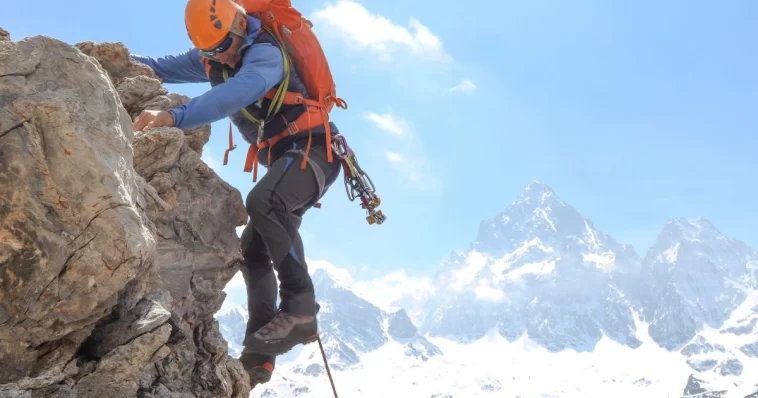
Understanding how to start mountaineering begins with recognizing that it is more than just hiking on steep terrain. It involves climbing mountains that may include snow, ice, rock, and unpredictable weather conditions. For beginners, the idea can feel intimidating, but with the right approach, it becomes a structured and achievable outdoor pursuit.
Interest in mountaineering has grown as more people seek meaningful outdoor challenges beyond casual activities. Many recent outdoor reports highlight how beginners are entering the sport through guided climbs and structured training programs. This has made the learning curve more manageable while still maintaining the activity’s seriousness.
Mountaineering requires preparation, patience, and respect for nature. It is not about rushing to the summit but about building skills step by step. With proper guidance, the journey becomes just as rewarding as reaching the top.
What Mountaineering Really Means For Beginners
Mountaineering is often misunderstood as simply climbing tall mountains. In reality, it combines hiking, climbing, navigation, and survival skills. Beginners usually start with non-technical peaks before progressing to more demanding routes that require ropes and specialized equipment.
The experience varies depending on the terrain. Some climbs involve long walks on rocky trails, while others include snow-covered slopes that require crampons and ice axes. This variety is what makes mountaineering both challenging and exciting.
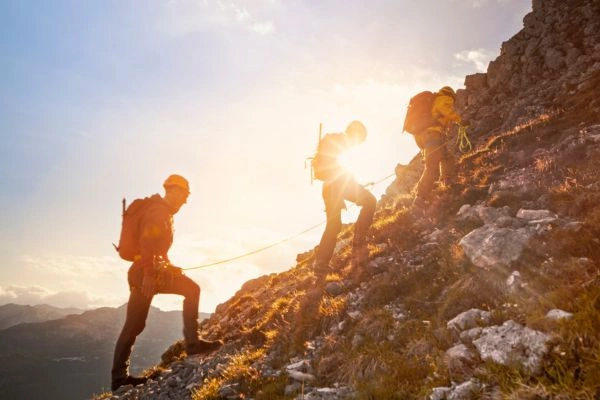
Modern mountaineering has become more structured thanks to professional training programs and certified guides. Organizations like the International Federation of Mountain Guides Associations set standards for safety and guiding practices, helping beginners learn in a controlled and supportive environment.
How To Start Mountaineering Safely As A Beginner
Learning how to start mountaineering safely begins with building a solid foundation. Jumping into difficult climbs without preparation can lead to serious risks. Most beginners start with day hikes on elevated terrain to build endurance and confidence.
Training is essential before attempting any serious climb. This includes improving cardiovascular fitness, strengthening leg muscles, and practicing balance. Activities such as stair climbing, trail walking, and carrying a weighted backpack help simulate real climbing conditions.
Joining a guided group is one of the safest ways to begin. Certified guides provide instruction on techniques, equipment use, and safety protocols. They also assess weather conditions and route difficulty, which are critical factors in mountaineering. Learning under supervision reduces risks and builds confidence faster.
Essential Gear For Mountaineering Beginners
Having the right gear is crucial in mountaineering. Equipment is not just about comfort; it’s also about safety and survival in harsh environments. Beginners should invest in reliable and tested gear from trusted brands.
Brands like The North Face, Patagonia, and Black Diamond Equipment are widely known for producing high-quality mountaineering gear designed for extreme conditions.
- Mountaineering boots with strong ankle support
- Layered clothing for temperature regulation
- Climbing helmet for protection
- Harness, ropes, and carabiners
- Ice axe and crampons for snowy terrain
Layering is one of the most important concepts in mountaineering clothing. A proper layering system helps regulate body temperature and protects against wind and moisture. This keeps climbers comfortable and reduces the risk of hypothermia during sudden changes in weather.
Durability also matters. Equipment should withstand rough terrain, sharp rocks, and cold environments. Investing in quality gear early helps avoid frequent replacements and ensures better long-term performance.
Understanding Weather And Mountain Conditions
Learning to read weather forecasts is a key skill. Wind speed, temperature, and precipitation all affect climbing conditions. Snow and ice can increase difficulty, while fog can reduce visibility and navigation accuracy.
Many climbers rely on updates from organizations like the National Oceanic and Atmospheric Administration for accurate forecasts. Checking conditions before and during a climb helps reduce risk and improve decision-making.
Understanding terrain is equally important. Loose rocks, steep slopes, and icy paths all require different approaches. Awareness of surroundings helps climbers adapt and respond to changing conditions.
Choosing The Right First Mountain
Selecting the right mountain is an important step when starting out in mountaineering. Beginners should choose peaks that match their current fitness level and experience. Starting with manageable climbs builds confidence and reduces risk.
Non-technical mountains are ideal for first climbs. These typically involve hiking rather than rope-based climbing. Gradual elevation gain and clear trails make the experience more approachable.
Popular beginner-friendly locations include Mount Fuji and Mount Pulag. These mountains are known for their accessibility and scenic views, making them great starting points for those new to mountaineering.
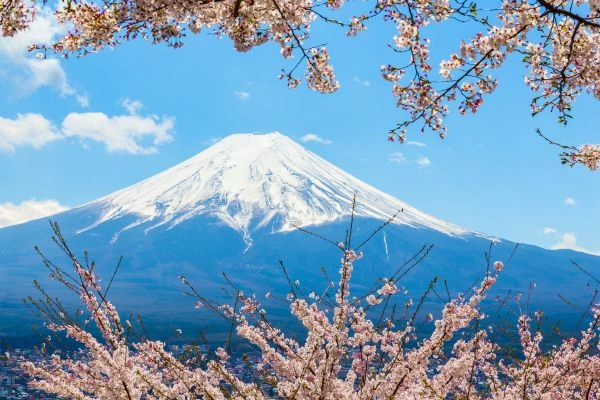
Choosing the right environment also matters. Familiar terrain with established paths allows beginners to focus on building skills rather than navigating complex routes.
Basic Mountaineering Skills Every Beginner Needs
Mountaineering requires a mix of physical and technical skills. Beginners should focus on mastering the basics before moving on to more advanced climbs.
Navigation is one of the most important skills. Knowing how to read maps and use a compass helps prevent getting lost in remote areas. While GPS devices are useful, traditional navigation skills remain essential when technology fails.
- Map reading and compass use
- Basic rope handling techniques
- Proper walking techniques on steep terrain
- Ice axe self-arrest methods
- Efficient energy management during climbs
Practicing these skills in controlled environments helps build confidence. Many training programs offer hands-on experience that prepares beginners for real mountain conditions.
Common Mistakes Beginners Should Avoid
Many beginners make mistakes that can affect both safety and enjoyment. One of the most common issues is underestimating the difficulty of a climb. Mountains can be unpredictable, and even easier routes require preparation.
Another mistake is improper packing. Carrying too much weight slows movement and increases fatigue, while bringing too little can leave climbers unprepared for sudden changes.
- Ignoring weather forecasts before climbing
- Wearing unsuitable footwear or clothing
- Skipping physical preparation
- Climbing without guidance or experience
- Not allowing time for rest and acclimatization
Avoiding these mistakes helps create a safer and more enjoyable mountaineering experience. Learning from experienced climbers can also prevent common errors.
Physical And Mental Preparation For Mountaineering
Mountaineering demands both physical strength and mental resilience. Climbing at high altitudes requires endurance, especially when oxygen levels decrease.
Physical preparation includes cardio training, strength exercises, and flexibility work. Activities like hiking, running, and cycling help build stamina. Strength training helps improve stability and lowers the risk of injury.
Mental preparation is just as important. Climbers need to stay focused and calm under pressure. Decision-making becomes critical when facing changing weather or difficult terrain. Building mental strength takes time, but it plays a major role in overall success.
Safety Tips For First Mountaineering Climbs
Safety should always be the highest priority in mountaineering. Proper planning and awareness can prevent accidents and improve the overall experience.
Climbers should let someone know their plans before heading out. Sharing route details and expected return times ensures that help can be contacted if needed.
- Bring emergency supplies, including a first aid kit
- Stay hydrated and maintain energy levels
- Monitor weather conditions regularly
- Avoid pushing beyond personal limits
- Turn back when conditions become unsafe
Reliable gear from brands like Black Diamond Equipment adds an extra layer of safety, especially in challenging conditions.
Environmental Responsibility In Mountaineering
Mountaineering takes place in fragile ecosystems that require protection. Responsible behavior ensures that these natural areas remain preserved for future climbers.
The Leave No Trace principle is widely followed. This includes packing out all waste, minimizing impact on the campsite, and avoiding damage to vegetation. Even small actions can make a significant difference.
Respecting wildlife is also important. Animals should not be disturbed or fed, as this can disrupt natural behaviors. Maintaining distance and observing quietly helps protect the ecosystem.
Sustainable practices, such as using reusable gear and minimizing waste, are becoming more common among modern climbers. These efforts contribute to long-term environmental conservation.
Building Experience Over Time
Mountaineering is a long-term journey that requires gradual progress. It is not something mastered in a single climb. Each experience builds knowledge, confidence, and skill.
Beginners should aim to take on slightly more challenging climbs over time. This steady progression helps improve technique without increasing risk too quickly.
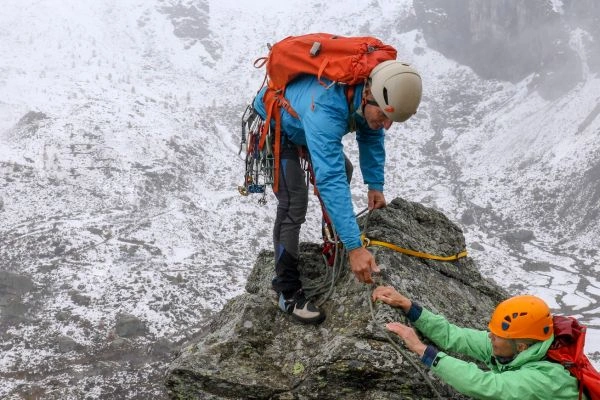
Joining mountaineering communities or clubs provides valuable learning opportunities. Sharing experiences with others helps build knowledge and encourages growth within the sport.
Advanced Training And Certifications For Mountaineering
As skills improve, many climbers choose to pursue advanced training or certifications. These programs provide structured learning and help develop technical skills in rope systems, glacier travel, and rescue techniques.
Professional courses often follow international safety standards set by organizations like the International Federation of Mountain Guides Associations. These programs are designed to prepare climbers for more challenging environments.
Certifications also open opportunities for guided expeditions and leadership roles within climbing groups. While not required for casual climbing, they add an extra layer of knowledge and safety.
Frequently Asked Questions
- What Is The Best Way To Start Mountaineering?
Start with easy hikes, build physical fitness, and join guided climbs to learn essential skills safely.
- How To Start Mountaineering Without Experience?
Begin with beginner-friendly mountains, take training courses, and learn from experienced climbers while using proper gear.
- Is Mountaineering Dangerous For Beginners?
It can be risky without proper preparation, but with proper training, equipment, and guidance, it becomes much safer.
- What Gear Do Beginners Need For Mountaineering?
Essential gear includes boots, layered clothing, a helmet, a harness, ropes, crampons, and an ice axe.
- How Much Time Is Needed To Learn Mountaineering?
Basic skills can be learned within months, but mastering mountaineering requires years of consistent practice.
Why Mountaineering Is A Rewarding Journey
Mountaineering offers a unique combination of physical challenge, mental focus, and natural beauty. It pushes limits while providing a deep sense of achievement.
Learning how to start mountaineering the right way ensures a safer and more enjoyable experience. With proper preparation, reliable gear, and respect for the environment, beginners can gradually grow into confident climbers.
The journey often begins with a simple climb but develops into a lasting passion. Each mountain brings new lessons, making mountaineering not just an activity but a meaningful and rewarding pursuit.