 Jane
Jane
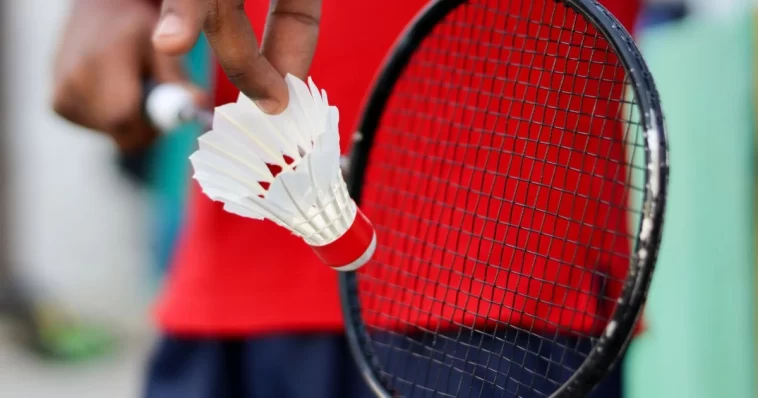
A badminton racket plays a major role in how well a player performs on the court, especially for beginners and intermediate players trying to improve consistency and control. The right choice can improve shot accuracy, power, and comfort, while the wrong one can slow progress and even cause strain on the wrist or shoulder. With newer product updates and design improvements highlighted in recent badminton equipment reviews and player feedback in 2026, racket selection has become more personalized than ever.
Modern players now have access to a wide range of options from brands like Yonex, Victor, Li-Ning, and Babolat, each offering different technologies that cater to speed, power, and control. Choosing the right badminton racket is no longer just about price or popularity. It is about matching equipment to playing style, strength level, and long-term goals in the sport.
What Makes A Badminton Racket Important For Performance
A badminton racket directly affects how a shuttle is hit, how fast it travels, and how much control a player has during rallies. Even small differences in weight distribution or string tension can significantly affect performance. This is why experienced players often treat racket selection as an extension of their training.
Recent equipment discussions in badminton communities highlight how newer rackets are designed to improve energy transfer. This means less effort is required to generate speed or power, helping reduce fatigue during long matches. For beginners, this can also make learning proper technique easier because the racket supports more forgiving shot execution.
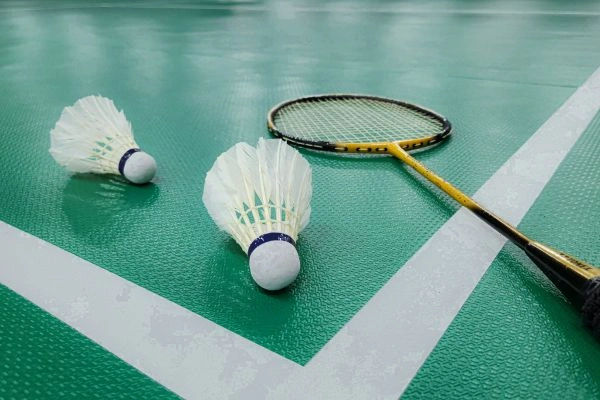
Comfort is another key factor. A poorly matched racket can lead to wrist discomfort or inconsistent strokes. A well-balanced racket, on the other hand, helps players develop better timing and smoother swings, which is essential for long-term improvement.
Understanding Badminton Racket Types And Their Purpose
Badminton rackets are generally categorized into three main types based on balance and playstyle: head-heavy, even balance, and head-light. Each type serves a different purpose depending on whether the player focuses on power, control, or speed.
Head-heavy rackets are designed for powerful smashes and aggressive play. They are commonly preferred by advanced players who want stronger attacking shots from the back of the court. Even balance rackets offer a middle ground, making them suitable for all-around players who switch between offense and defense. Head-light rackets, on the other hand, are easier to maneuver and are often recommended for defensive players or beginners who prioritize quick reactions.
Brands like Yonex Astrox series often focus on power-oriented designs, while the Yonex Nanoflare series leans toward speed and quick handling. Victor and Li-Ning also offer similar segmentation, giving players more flexibility based on personal preference.
How To Choose A Badminton Racket For Your Style
Choosing the right badminton racket depends heavily on playing style, experience level, and physical strength. A player who enjoys aggressive smashes will benefit from a different racket than someone who focuses on fast rallies and defensive returns.
In general, your racket should match how you naturally play rather than forcing you into a new style. Beginners benefit from simplicity, while advanced players often look for more specialized performance features.
- Aggressive players usually prefer head-heavy rackets for stronger smashes
- Defensive or fast-paced players often choose head-light rackets for quicker reaction
- Beginners are best suited to even balance rackets for all-around stability
- Intermediate players start refining choices based on speed or power preference
- Comfort and feel matter more than brand reputation in many reviews
Beginners are often advised to choose an even balance racket because it provides stability in both attack and defense. This makes it easier to learn basic techniques without being limited by a specialized design. Intermediate players usually shift toward headlight or head-heavy options as their play style evolves.
Another important consideration is comfort. A racket that feels too heavy or too stiff can affect timing and accuracy. Testing different rackets before committing helps identify what feels natural during movement. Many recent equipment reviews highlight that comfort and consistency now matter more than brand prestige alone.
Key Features To Look For In A Badminton Racket
Several features define how a badminton racket performs on the court. Understanding these helps you make a more informed decision instead of choosing based on appearance alone.
Weight, string tension, and frame stiffness all directly affect performance and control during play.
- Lightweight rackets improve speed and are easier for quick rallies
- Heavier rackets generate more power but require more strength
- High string tension improves control but needs better accuracy
- Low string tension offers easier power generation for beginners
- Flexible frames support power, while stiff frames support precision
Weight is one of the most important factors, usually measured in grams. Lighter rackets are easier to handle and better for fast exchanges, while slightly heavier ones can generate more powerful shots.
String tension also plays a major role. Higher tension provides better control but requires more precision, while lower tension offers more power with less effort. Many beginner rackets from brands like Yonex and Li-Ning come pre-strung at moderate tension for balanced performance.
Frame stiffness is another key feature. Flexible frames help beginners generate power more easily, while stiff frames are preferred by advanced players who rely on accuracy and fast response.
Badminton Racket Materials And Build Quality
Modern badminton rackets are made using advanced materials designed to improve strength while keeping weight low. Material choice directly affects durability, feel, and overall performance.
Graphite and carbon fiber are the most common materials used in both entry-level and professional rackets.
- Graphite rackets offer balanced flexibility and durability
- Carbon fiber improves energy transfer and reduces frame weight
- Nano composite materials enhance vibration control and strength
- Premium rackets from Yonex and Li-Ning use layered construction
- Victor rackets often focus on precision and shock absorption design
Graphite-based rackets are widely used because they provide a good balance of stiffness and flexibility. Carbon fiber models, often found in higher-end rackets from Yonex and Li-Ning, offer improved durability and power efficiency.
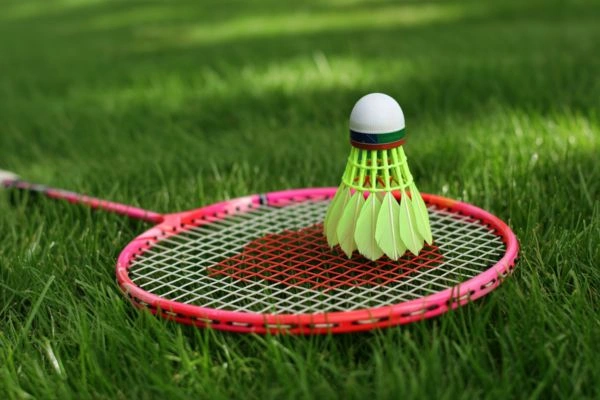
Some premium designs also use layered construction to reduce vibration and improve comfort during impact. This helps reduce strain on the arm during long matches.
Build quality affects not only performance but also lifespan. A well-built racket can last for years with proper care, while lower-quality rackets may lose tension or develop frame issues sooner. This is why many players prioritize trusted brands over purely aesthetic choices.
Grip Size And Weight Selection Explained
Grip size and weight selection play a major role in comfort, control, and injury prevention. Even a high-quality racket can feel difficult to use if these factors are not suited to the player.
Grip size affects how securely and comfortably you hold the racket during play.
- Larger grips provide more stability but less wrist flexibility
- Smaller grips allow better wrist movement but may reduce control
- Overgrips can adjust comfort and improve sweat absorption
- Yonex and Victor offer multiple grip sizes for customization
Weight selection is closely tied to playing style and game format. Lighter rackets are usually preferred in doubles, where speed is critical. Slightly heavier rackets are more common in singles for stronger backcourt shots.
Players often adjust comfort using grip tape or overgrips. This simple change can significantly reduce fatigue during long matches and improve overall control.
Balance Point And Shaft Flex Explained
Balance point and shaft flex determine how a racket behaves during movement and impact. These two features greatly influence speed, power, and control.
The balance point determines where the racket’s weight is concentrated.
- Head-heavy rackets generate stronger smashes and power shots
- Head-light rackets allow faster swings and quicker defense
- Even balance rackets offer a mix of both speed and power
- Brands like Li-Ning often design adjustable balance models
Shaft flex determines how much the racket bends when hitting the shuttle.
- Flexible shafts help generate power with less effort
- Stiff shafts provide better accuracy and control
- Medium flex is popular for balanced performance across styles
- Yonex and Victor commonly offer multiple flex options
Recent badminton trends show that many players prefer medium-flex shafts because they offer a balance between power and control without requiring extreme technique precision.
Common Mistakes When Buying A Badminton Racket
Many players make avoidable mistakes when selecting a badminton racket, especially when influenced by marketing or professional endorsements.
Understanding these mistakes can help you make a better long-term decision.
- Choosing rackets only based on professional player endorsements
- Ignoring weight and balance suitability for personal comfort
- Prioritizing price over actual playing needs
- Skipping racket testing before purchase
- Overestimating advanced features as necessary for beginners
One common mistake is relying too heavily on professional player models. While brands like Yonex and Li-Ning produce high-quality rackets used by professionals, these are often designed for advanced-level performance.
Another mistake is ignoring weight and balance. A visually appealing racket may still feel uncomfortable during play, leading to poor timing and faster fatigue.
Price is also frequently misunderstood. A higher price does not always mean better performance for every player. Matching the racket to your style and comfort is more important than chasing premium labels.
Best Practices For Testing A Badminton Racket Before Buying
Testing a racket before purchase is one of the most effective ways to avoid dissatisfaction later. Even a short test can reveal whether the racket suits your playing style.
Feeling the racket in motion is more important than just holding it in your hand.
- Simulate swings to check balance and comfort
- Test the grip feel to ensure secure handling
- Try light rallies when possible for real feedback
- Compare multiple rackets side by side
- Check how quickly you adjust to its weight
Some sports stores and badminton courts offer demo rackets. These allow you to experience real gameplay conditions before committing to a purchase.
Comparing several rackets helps highlight small but important differences in balance, stiffness, and responsiveness that may affect long-term performance.
Maintenance Tips To Extend Badminton Racket Lifespan
Proper maintenance helps extend the life of your badminton racket and ensures consistent performance over time. Simple care habits can prevent early damage and reduce repair costs.
Storage, string care, and handling all contribute to racket durability.
- Store rackets in protective covers to prevent damage
- Avoid exposing rackets to extreme heat or moisture
- Regularly check string tension for performance consistency
- Restring when strings lose elasticity or break
- Avoid hitting hard surfaces like floors or net posts
Storing your racket properly helps protect both the frame and strings. Heat and moisture can weaken materials over time, especially in humid environments.
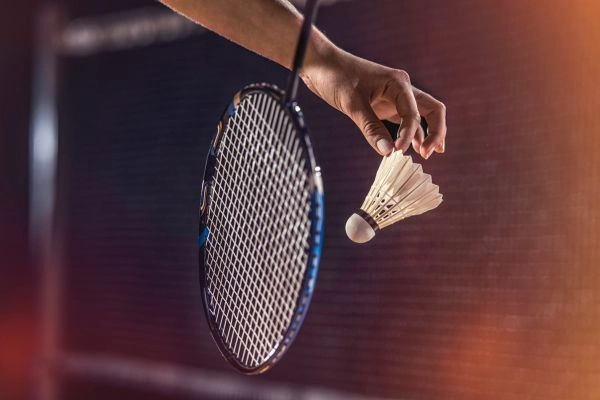
String tension naturally decreases with use. Players who train frequently should consider regular restringing to maintain accuracy and power.
Proper handling is equally important. Even durable rackets from brands like Yonex, Li-Ning, and Victor can lose performance if repeatedly exposed to impact or improper use.
Frequently Asked Questions
- What Badminton Racket Is Best For Beginners?
An even balance racket is usually best for beginners because it offers a mix of power and control. It helps new players learn basic strokes without struggling with extreme weight distribution.
- How Often Should A Badminton Racket Be Restrung?
For regular players, restringing every 2 to 3 months is common. Frequent players may need to restring more often depending on playing intensity and tension preference.
- What Weight Is Ideal For A Badminton Racket?
Most beginners prefer lightweight rackets around 80 to 85 grams. This range provides easier handling and reduces arm fatigue during longer sessions.
- Does A More Expensive Badminton Racket Improve Performance?
Not always. Higher-priced rackets may offer better materials and technology, but performance depends more on how well the racket matches the player’s style and comfort.
- Which Brands Make Reliable Badminton Rackets?
Well-known brands include Yonex, Victor, Li-Ning, and Babolat. These brands are widely used in both recreational and professional badminton for their quality and durability.
Final Thoughts On Finding The Perfect Badminton Racket For Your Style
Selecting the right badminton racket involves understanding your playing style, comfort level, and preferred technical features. As modern designs become more specialized, players now have greater control over how their equipment supports their game. Whether the focus is power, speed, or balance, the right racket can significantly improve overall performance and enjoyment on the court.