
 Jane
Jane
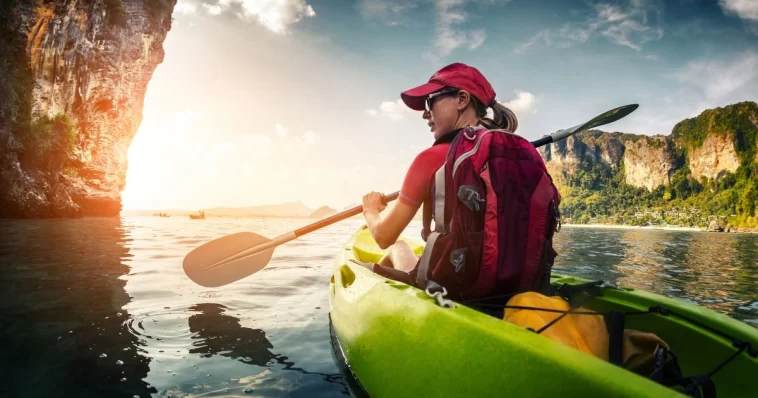
Understanding Kayaking begins with recognizing why it has become one of the most popular outdoor activities in recent years. It blends adventure, fitness, and relaxation in a way that works for both beginners and experienced paddlers. Whether on calm lakes, flowing rivers, or coastal waters, kayaking offers a close connection to nature that feels both peaceful and active.
Recent discussions on outdoor recreation highlight a growing interest in simple, low-barrier activities that do not require extensive training or expensive equipment. Kayaking fits that demand well. Modern gear has also become more beginner-friendly, with stable kayak designs and lighter paddles making the experience easier to approach.
The appeal is not just physical. Many people are drawn to kayaking because it creates a sense of escape from busy environments. Floating on water, surrounded by natural scenery, offers a different pace that is hard to replicate in other outdoor activities.
What Kayaking Really Involves And Why It Keeps Growing
Kayaking is the act of moving across water using a small, narrow watercraft powered by a double-bladed paddle. It may look simple, but it involves coordination, balance, and awareness of surroundings. The learning curve is gentle, which makes it suitable for beginners, yet it still offers depth for advanced users.
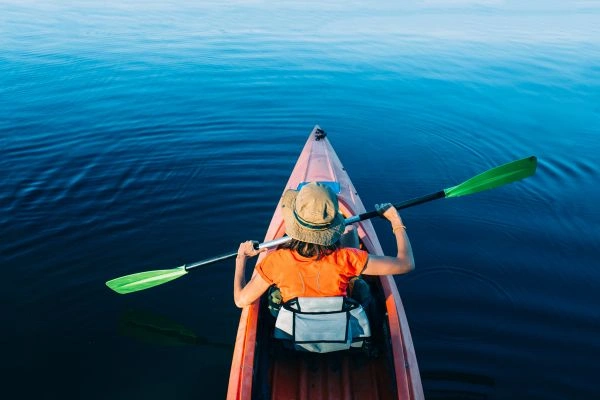
Outdoor recreation trends show a steady increase in kayaking participation, especially in coastal and lake regions. Part of this growth comes from improved equipment availability and better safety awareness. Brands like Perception Kayaks and Wilderness Systems have played a major role in making stable, beginner-friendly kayaks more accessible.
Another reason for its popularity is versatility. Kayaking can be calm and recreational or fast-paced and challenging, depending on the environment. This flexibility allows people to choose how intense or relaxed they want their experience to be.
Types Of Kayaking And How They Differ
There are several types of kayaking, each designed for specific environments and skill levels. Understanding these differences helps choose the right setup and avoid unnecessary difficulty on the water.
Recreational Kayaking
It is the most common form usually done on calm lakes and slow-moving rivers. These kayaks are wider and more stable, making them ideal for beginners who want a relaxed experience. Brands like Old Town Canoes & Kayaks are known for reliable recreational models.
Touring or Sea Kayaking
It is designed for longer distances and open water conditions. These kayaks are longer and faster, built for efficiency rather than stability. They are often used in coastal exploration and multi-hour paddling trips.
Whitewater Kayaking
It is the most technical type. It involves navigating fast-moving rivers and rapids, requiring advanced control and safety training. Equipment used in this category is built for durability and quick maneuverability.
Inflatable Kayaking
It has also gained attention due to portability. Brands like Sea Eagle and Advanced Elements offer inflatable models that are easier to transport and store, making them popular for casual adventurers.
Essential Gear For Safe Kayaking Experiences
Proper gear plays a major role in safety and comfort during kayaking. Even in calm water, basic equipment is required to ensure stability and protection. A well-prepared setup reduces risks and improves overall enjoyment.
A kayak is the primary piece of equipment, but paddles and personal flotation devices are just as important. Many paddles from brands like Aqua-Bound are designed to reduce strain and improve stroke efficiency. Meanwhile, NRS provides widely trusted safety gear, including life vests and dry bags.
- Stable kayak suited for the water type
- Lightweight double-bladed paddle
- Coast Guard-approved personal flotation device (PFD)
- Dry bag for storing essentials like phones and snacks
- Water-resistant clothing for changing weather conditions
Comfort also matters during longer trips. Adjustable seats and footrests help reduce fatigue, especially during extended paddling sessions. Small improvements in gear setup can make a significant difference in performance and enjoyment.
How To Choose The Right Kayak For Beginners
Choosing the right kayak depends on water conditions, comfort level, and intended use. Beginners often benefit from wider, more stable kayaks, as these reduce the risk of tipping and make learning easier.
Recreational kayaks from brands like Pelican and Perception Kayaks are commonly recommended for entry-level users. They provide good stability and are easier to control in calm waters.
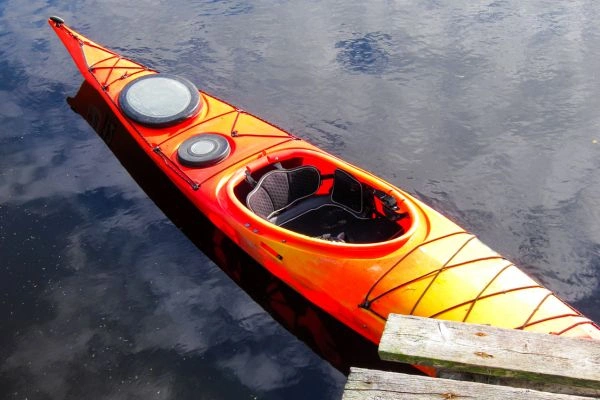
Length and width are key factors. Shorter kayaks are easier to turn, while longer ones move faster and track better in straight lines. Wider kayaks offer more stability, which is important for those still building confidence on water.
Material also plays a role. Polyethylene kayaks are durable and affordable, making them a popular choice for beginners. Higher-end models may use composite materials for better speed and performance, but come at a higher cost.
Safety Basics Every Kayaker Should Know
Safety is one of the most important parts of kayaking. Even in calm environments, water conditions can change quickly. Being prepared reduces risks and ensures a more enjoyable experience.
Wearing a properly fitted life jacket is non-negotiable. Many kayaking incidents occur due to unexpected tipping, even in shallow or calm waters. A PFD provides essential flotation support in such situations.
Weather awareness is also critical. Wind, rain, and currents can affect paddling control. Checking conditions before heading out helps avoid dangerous surprises.
- Always wear a properly fitted life jacket
- Check weather and water conditions before launching
- Stay close to shore if unfamiliar with the area
- Avoid kayaking alone in remote locations
- Carry a whistle or signaling device for emergencies
Hydration and sun protection are often overlooked. Spending extended time on water increases exposure to sunlight, so sunscreen, hats, and sunglasses are helpful additions.
What To Expect When You Try Kayaking For The First Time Outdoors
The first kayaking experience is often a mix of excitement and adjustment. Initial balance may feel unfamiliar, but most beginners adapt quickly after a few minutes on the water. Stability improves once paddling rhythm becomes consistent.
Movement may feel slower than expected at first. Steering requires coordination between both sides of the paddle, and turning takes practice. However, modern recreational kayaks from brands like Old Town Canoes & Kayaks are designed to make this learning process easier.
Confidence builds gradually. Early sessions usually focus on simple forward paddling, turning, and maintaining direction. As comfort increases, longer distances and slightly more dynamic water conditions become manageable.
Basic Kayaking Techniques For Better Control
Learning basic kayaking techniques improves both efficiency and safety. Proper form reduces fatigue and helps maintain better control on the water. Most beginners start with simple forward strokes.
The forward stroke is the foundation of kayaking movement. It involves alternating paddle sides while keeping a steady rhythm. Good posture also helps reduce strain on the arms and back.
Turning techniques include sweep strokes, which help change direction smoothly. Slight adjustments in paddle angle can significantly improve maneuverability without losing speed.
- Keep a relaxed grip on the paddle
- Use torso rotation instead of only arms
- Maintain steady breathing during paddling
- Practice smooth, even strokes for better balance
- Adjust seating posture for comfort and control
Common Mistakes Beginners Make In Kayaking
Many beginners make avoidable mistakes that affect their overall experience. One of the most common issues is poor posture, which leads to faster fatigue and reduced control.
Another mistake is underestimating water conditions. Even calm-looking areas may have currents or wind changes that affect movement. Proper awareness helps prevent unexpected challenges.
- Skipping life jacket use or wearing it incorrectly
- Holding the paddle too tightly, causing fatigue
- Ignoring weather changes during the trip
- Overpacking unnecessary items in the kayak
- Not practicing basic strokes before longer trips
Overconfidence is also a frequent issue. Starting slowly and building experience over time is more effective than attempting difficult routes too early.
Environmental Responsibility In Kayaking
Respecting nature is an important part of kayaking culture. Water ecosystems are sensitive, and small actions can have long-term effects. Responsible paddling helps preserve these environments.
Avoiding littering is essential. All trash should be carried back, including biodegradable items. Even biodegradable waste can disrupt ecosystems when left behind.
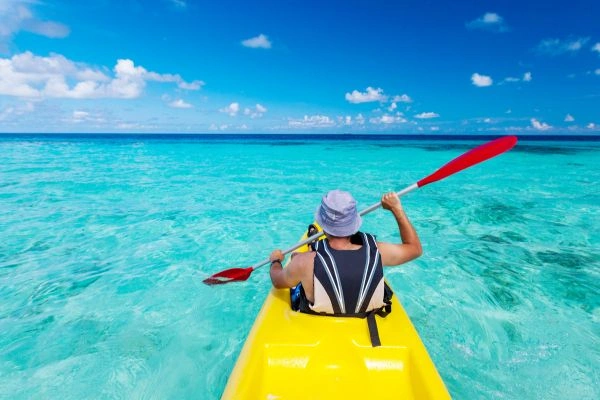
Wildlife should also be observed from a distance. Feeding or disturbing animals can disrupt natural behavior patterns. Quiet movement helps maintain a balanced environment.
Planning A Safe And Enjoyable Kayaking Trip
Good planning improves safety and enjoyment. Choosing the right location based on skill level helps reduce risks and builds confidence. Beginners should start with calm lakes or protected bays.
Equipment checks are also important before departure. Ensuring that paddles, kayaks, and safety gear are in good condition prevents problems during the trip.
Time management matters as well. Starting early in the day helps avoid strong winds or sudden weather changes later in the afternoon.
Frequently Asked Questions
- What Is Kayaking And How Does It Work?
Kayaking is a water activity where movement is powered by a double-bladed paddle in a small watercraft designed for one or more people.
- What To Expect When You Try Kayaking For The First Time Outdoors?
Expect a learning phase with balance adjustments, simple paddling practice, and gradual improvement in steering and control.
- Is Kayaking Safe For Beginners?
Yes, kayaking is safe for beginners when proper gear, calm water conditions, and safety precautions are followed.
- What Gear Is Needed For Kayaking?
Essential gear includes a kayak, paddle, life jacket, dry bag, and weather-appropriate clothing.
- Do You Need Training Before Kayaking?
Formal training is not required for recreational kayaking, but basic instruction is highly recommended for safety and confidence.
Why Kayaking Continues To Attract Outdoor Enthusiasts
Kayaking offers a balance of adventure, relaxation, and physical activity that appeals to a wide range of people. It is accessible, flexible, and adaptable to different skill levels, making it one of the most popular outdoor water activities today.
With proper preparation, the right gear, and basic safety awareness, kayaking becomes a rewarding experience that encourages exploration and appreciation of nature. From calm lakes to coastal waters, every trip offers a different perspective and learning opportunity.