
 Jane
Jane
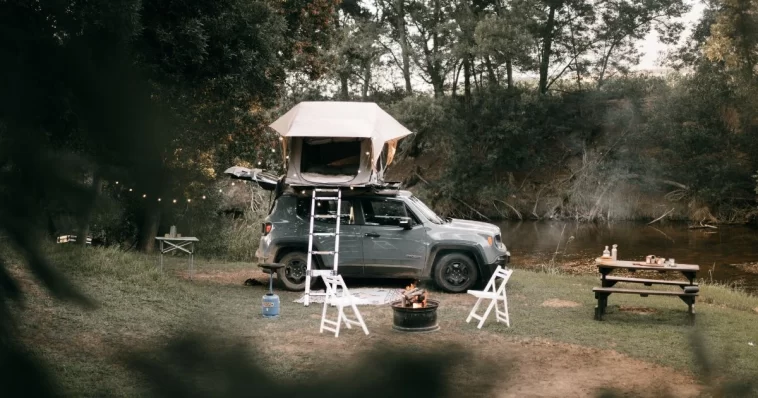
Understanding what dispersed camping is starts with knowing how different it feels from traditional campgrounds. In simple terms, it refers to camping outside developed areas, often on public lands, without amenities such as toilets, picnic tables, or running water. It is a more natural and flexible way to experience the outdoors, but it also requires more preparation and awareness.
Many outdoor guides and recent camping discussions highlight the significant growth in interest in remote camping in recent years. The appeal comes from privacy, quiet surroundings, and the ability to camp in more untouched environments. However, with that freedom comes responsibility, especially regarding safety and environmental care.
Dispersed camping is not just about finding a random spot in the wild. It involves understanding land rules, respecting nature, and being fully self-sufficient. Without proper planning, the experience can quickly become uncomfortable or even risky. This makes learning the basics essential before heading out.
What Is Dispersed Camping And Why It Matters
Dispersed camping is camping on designated public lands that allow overnight stays outside formal campgrounds. These areas are often managed by national forests or bureau-managed lands, where visitors can camp freely as long as they follow regulations.
Unlike developed campgrounds, dispersed camping does not offer structured facilities. This means no restrooms, no marked campsites, and no reservation system. Campers choose their own location within permitted zones, which adds flexibility but also demands better decision-making.
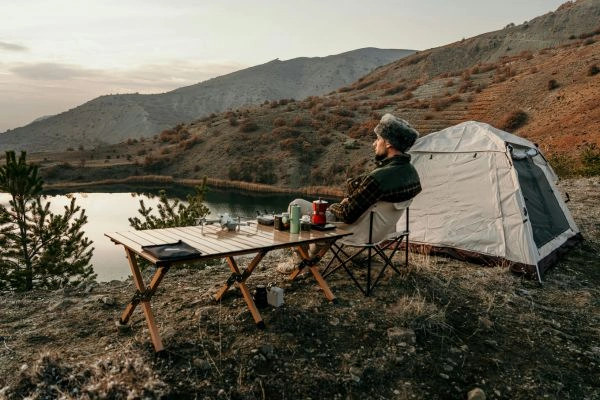
The importance of understanding this camping style lies in its impact on both safety and the environment. Without awareness of rules, campers may accidentally damage sensitive ecosystems or violate local land regulations. Responsible dispersed camping ensures that natural spaces remain clean and accessible for others.
How Dispersed Camping Works In Public Lands
Dispersed camping is commonly allowed in national forests and on certain public lands, depending on local regulations. Each region has its own rules about where camping is permitted, how long stays are allowed, and how far campers must be from roads or water sources.
Most public land agencies recommend setting up camp at least 200 feet away from lakes, rivers, or trails. This helps protect wildlife habitats and reduces human impact on natural water sources. Some areas also have seasonal restrictions, especially during wildfire season or wildlife migration periods.
In practice, campers often use maps from official land management websites or offline GPS tools to identify legal zones. Brands like Garmin are frequently used for navigation in remote areas where mobile signals are weak. Proper research before arrival helps avoid fines and ensures a smoother outdoor experience.
Essential Gear For Dispersed Camping
Having the right equipment is one of the most important parts of dispersed camping. Since there are no facilities, everything needed for survival and comfort must be carried in and out. This includes shelter, food preparation tools, water systems, and navigation devices.
Reliable outdoor brands play a big role in ensuring safety and convenience. Tents from The North Face and REI Co-op are commonly used for their durability in changing weather conditions. Lightweight cooking gear from MSR and portable stoves from Coleman are also popular among campers who need efficient meal preparation setups.
- Durable tent from brands like The North Face or REI Co-op
- Portable stove and cookware from MSR or Coleman
- Water filtration system for safe drinking water
- Navigation tools such as Garmin GPS devices
- Sleeping bag rated for expected nighttime temperatures
Water management is especially important since natural water sources cannot always be trusted without filtration. Many campers use portable filters or purification tablets to ensure safety. Lighting, backup batteries, and first-aid kits are also essential items for remote camping trips.
Choosing A Safe And Legal Campsite
Selecting the right campsite is a key part of dispersed camping. It is not only about finding a scenic spot but also about ensuring safety, legality, and environmental responsibility. Campsite selection can determine the quality of the entire outdoor experience.
A safe location is usually flat, dry, and free of potential hazards, such as falling branches or areas prone to flash flooding. It is also important to avoid camping too close to trails or water sources, as this can disturb wildlife and other visitors.
Legal considerations are equally important. Many public lands have clearly defined zones where camping is allowed. Some areas may require permits, while others may restrict camping during certain seasons. Checking official land management guidelines before setting up camp helps avoid violations and protects natural areas.
Dispersed Camping Etiquette And Leave No Trace
Dispersed camping etiquette is based on respect for nature and other outdoor users. One of the most widely followed principles is the Leave No Trace approach, which encourages campers to minimize their environmental impact.
This means packing out all trash, avoiding damage to vegetation, and leaving the campsite in the same condition it was found. Even small actions, such as using biodegradable soap far from water sources, can help preserve natural ecosystems.
Respect for other campers is also part of proper etiquette. Since there are no designated sites, maintaining distance from others helps ensure privacy and reduce noise disruption. Keeping noise levels low and avoiding unnecessary disturbance helps maintain the peaceful nature of dispersed camping areas.
Safety Tips For Remote Camping
Safety is one of the most important aspects of dispersed camping because help is not always nearby. Proper preparation can make a significant difference in handling unexpected situations such as weather changes or equipment failure.
Weather conditions should always be checked before heading out. Sudden storms or temperature drops can be more dangerous in remote areas where shelter is limited. Carrying layered clothing helps adapt to changing conditions.
- Always inform someone about the planned camping location
- Pack emergency communication devices or satellite messengers
- Bring additional food and water to prepare for any unexpected delays
- Be aware of wildlife in the area and store food securely
- Avoid setting up camp in isolated, hazard-prone zones
Navigation tools are also essential, especially in areas without mobile coverage. GPS devices or offline maps help prevent getting lost. Many outdoor enthusiasts rely on Garmin devices for reliable tracking in remote environments.
Biggest Mistakes People Make In Dispersed Camping
One of the biggest mistakes in dispersed camping is underestimating the importance of preparation. Many first-time campers assume it is similar to regular camping, but the lack of facilities makes it far more demanding. Forgetting essentials like water filtration or backup supplies can quickly turn the trip difficult.
Another common mistake is choosing an unsafe or restricted campsite. Some campers set up too close to water sources or fail to check land regulations. This not only harms the environment but can also result in penalties or forced relocation.
- Not checking land rules and camping restrictions beforehand
- Bringing insufficient water or food supplies
- Ignoring weather forecasts and terrain conditions
- Leaving trash or damaging natural surroundings
- Relying too heavily on mobile phones without backup navigation tools
Overpacking or underpacking is also a frequent issue. Carrying too much gear makes travel difficult, while bringing too little creates safety risks. Finding the right balance is essential for a successful experience.
Planning Your First Dispersed Camping Trip
Planning a first dispersed camping trip requires careful attention to detail. Choosing a simple and accessible location helps reduce risk while building confidence. National forest areas close to roads are often recommended for beginners.
Preparation should include testing all equipment before departure. This ensures that tents, stoves, and navigation tools work properly. Practicing setup at home can also save time and reduce stress in the field.
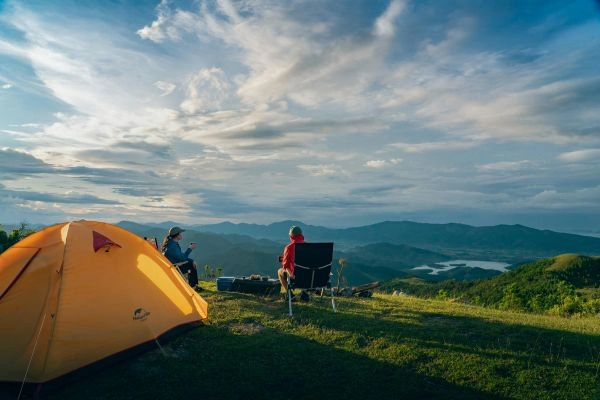
It is also helpful to plan meals that are easy to prepare and require minimal cooking. Lightweight, non-perishable meals are ideal for remote settings. Proper planning not only improves comfort but also increases safety during the trip.
Environmental Responsibility In Dispersed Camping
Environmental care is a major responsibility in dispersed camping. Since these areas are less controlled, human impact can quickly accumulate if visitors are not careful. Protecting natural spaces ensures they remain usable for future generations.
Simple actions such as avoiding single-use plastics and properly disposing of waste make a significant difference. Campfires should only be made where permitted, and even then, they must be fully extinguished before leaving.
Respecting wildlife is also important. Feeding animals or leaving food exposed can disrupt natural behaviors and create dangerous encounters. Responsible camping helps maintain the balance between human recreation and natural ecosystems.
Frequently Asked Questions
- What Is Dispersed Camping In Simple Terms?
Dispersed camping is camping on public land outside developed campgrounds, without facilities such as toilets, water, or marked sites. It requires full self-sufficiency.
- Is Dispersed Camping Legal Everywhere?
It is legal in many national forests and public lands, but rules vary by location. Some areas require permits or have seasonal restrictions.
- What Gear Is Needed For Dispersed Camping?
Essential gear includes a tent, sleeping system, cooking equipment, water filtration, navigation tools, and emergency supplies.
- How Long Can Someone Stay In A Dispersed Campsite?
Most public lands allow stays up to 14 days, but this depends on local regulations and land management rules.
- What Is The Biggest Mistake In Dispersed Camping?
The biggest mistake is failing to prepare properly, especially by ignoring safety, weather conditions, and land use rules.
Why Dispersed Camping Matters For Outdoor Experiences
Dispersed camping offers a unique way to experience nature with more freedom and less structure than traditional campgrounds. It allows a deeper connection with the outdoors while encouraging self-reliance and awareness. However, it also requires careful planning, proper gear, and respect for the environment.
Understanding what dispersed camping is helps avoid common mistakes and improves overall safety. From choosing the right equipment to following land rules and practicing Leave No Trace principles, every decision contributes to a better outdoor experience.
When done responsibly, dispersed camping becomes more than just a trip outdoors. It becomes a meaningful way to explore nature while preserving it for others.