 Jane
Jane
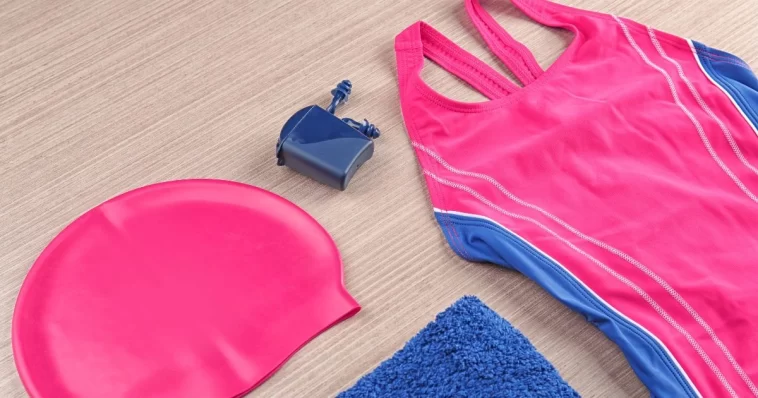
Starting swimming for the first time can feel exciting, but it also comes with many small details that are easy to overlook. The right swimming essentials for beginners can make the difference between a stressful first session and a smooth, confident experience in the water. Without proper gear, even simple practices like floating or breathing can feel harder than they should.
Recent swimming guides and beginner-focused reviews highlight that preparation is just as important as technique. Many beginners struggle not because they lack ability, but because they lack the right tools. Having the right essentials helps reduce fear, improve comfort, and allow the body to adapt to water more naturally. This is especially important in the early stages of learning, where confidence matters as much as skill.
Modern recommendations for swimming essentials for beginners emphasize practicality over excess. Instead of overwhelming new swimmers with advanced gear, the emphasis is on simple, effective items that support safety, movement, and comfort. This guide breaks everything down clearly so beginners know exactly what to bring before stepping into the pool.
Why Swimming Preparation Matters For Beginners
Swimming may look simple, but for beginners, it involves coordination, breathing control, and mental adjustment. Water behaves differently from land, and without preparation, even basic movements can feel unfamiliar. Proper gear helps reduce that learning curve and creates a more stable environment for practice.
Preparation also plays a big role in safety. Even in controlled pools, fatigue, slips, or discomfort with the water can occur. When beginners are properly equipped, they are less likely to panic and more likely to stay calm in the water. This improves both safety and learning quality.
Another important factor is consistency. Beginners who feel comfortable are more likely to return for regular practice. Over time, this consistency leads to faster progress in strokes, breathing control, and endurance. Without the right essentials, motivation can drop quickly after a few uncomfortable sessions.
Core Swimming Essentials For Beginners
Every beginner should start with a set of foundational items. These swimming essentials for beginners are not complicated, but they are important for comfort, safety, and progress in the water.
1. Proper Swimwear
Swimwear is essential because it directly affects movement in the water. Clothing that is too loose or heavy can create resistance, making swimming more difficult than it needs to be.
A good swimsuit should feel snug but not restrictive. It should allow a full range of motion while staying secure during movement. Materials that resist chlorine damage are often preferred because they last longer and retain their shape after repeated use.
Common beginner options include:
- One-piece swimsuits for women
- Swim trunks for men
- Jammers for more streamlined movement
- Chlorine-resistant fabrics for frequent swimmers
Proper swimwear helps beginners focus on learning rather than constantly adjusting their clothing in the water.
2. Swim Goggles
Swim goggles are essential for protecting the eyes and improving underwater visibility. Without them, chlorine irritation or blurred vision can make swimming uncomfortable, especially for beginners who are still learning coordination.
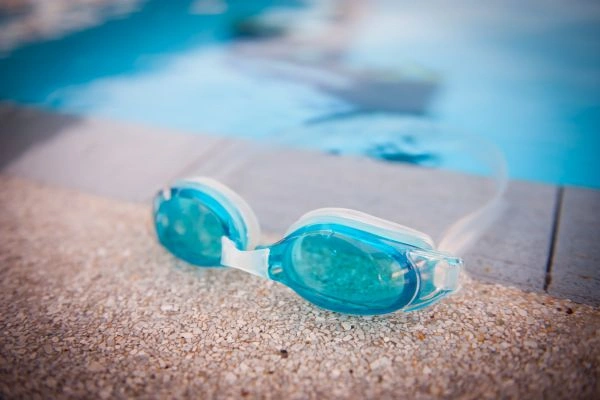
Well-fitted goggles also help build confidence underwater. Being able to see clearly reduces anxiety and makes it easier to practice breathing and floating techniques. This is especially helpful during early training sessions.
Trusted brands often recommended include:
- Speedo
- Arena
- TYR
Good goggles should create a soft seal around the eyes without leaving deep marks. Anti-fog features are also useful for longer sessions.
3. Swim Cap
A swim cap may seem optional, but it is actually one of the most useful swimming essentials for beginners. It helps keep hair in place, reduces drag, and protects hair from chlorine exposure.
For beginners, distraction-free swimming is important. Hair floating around the face or getting in the way can interrupt focus and reduce comfort in the water. A swim cap helps eliminate that issue.
Common types include:
- Silicone caps for durability and water resistance
- Latex caps for a tighter fit
- Fabric caps for comfort, but with less water protection
Each type serves a slightly different need depending on comfort level and usage frequency.
4. Kickboard
A kickboard is one of the most effective training tools for beginners. It allows swimmers to focus on leg movement without worrying about arm coordination or balance.
This tool is especially helpful in early lessons because it builds lower-body strength and helps beginners learn to stay afloat. It also improves confidence by providing extra support in the water.
Kickboards are often used in structured training because they simplify movement and allow focused practice on technique development.
5. Pool Footwear
Pool slippers or water shoes are often overlooked, but are very practical for swimming essentials for beginners. Pool areas can be slippery, and walking barefoot may cause discomfort or minor injuries.
These shoes provide grip and protection, especially in public swimming facilities. They also help maintain hygiene by reducing direct contact with wet or shared surfaces.
Benefits include:
- Better grip on wet floors
- Foot protection from rough surfaces
- Improved hygiene in shared spaces
- Comfort when walking around pool areas
Simple rubber designs are usually enough for beginners.
Optional Swimming Essentials That Help Progress
While core gear is enough to start swimming, additional tools can improve learning speed and comfort. These are not required but are often used in beginner training programs.
Swim Floatation Devices
Floatation tools such as noodles, arm floats, or waist belts help beginners feel more secure in the water. They reduce fear of sinking and allow gradual adjustment to buoyancy.
These tools are especially useful for beginners who are not yet comfortable putting their face underwater. Over time, they help transition from assisted to unassisted swimming.
Nose Clips
Nose clips prevent water from entering the nasal passage, which can be uncomfortable for beginners. They are often used during underwater drills or breathing exercises.
While not necessary for everyone, they can be helpful for those who struggle with water entering the nose during practice.
Waterproof Storage Bags
A waterproof bag is a simple but practical addition to any swimming setup. It helps keep wet and dry items separate, preventing other belongings from getting soaked after swimming sessions.
Many swimmers use compartment-style bags to organize swimwear, towels, and personal items more efficiently.
What To Look For In Beginner Swimming Gear
Choosing the right gear is not only about brand names. A few key factors should be considered to ensure comfort and ease of use.
Comfort And Fit
Comfort is the most important factor. If gear feels too tight or too loose, it can distract beginners and affect performance in the water.
Durability
Swimming gear is constantly exposed to chlorine and water. Durable materials ensure that equipment lasts longer and maintains performance over time.
Ease Of Use
Beginners benefit from simple designs that are easy to wear, adjust, and clean. Complicated gear can slow down learning and create unnecessary frustration.
Common Mistakes Beginners Make When Preparing For Swimming
Even with good intentions, beginners often make small mistakes that affect their swimming experience. Understanding these helps avoid unnecessary discomfort.
Wearing Incorrect Swimwear
Loose or heavy clothing creates drag, making movement harder. Proper swimwear is essential for smooth swimming practice.
Bringing Too Much Equipment
Carrying too many items can be overwhelming. Beginners need only a few essentials to get started effectively.
Ignoring Eye Protection
Skipping goggles often leads to discomfort and poor visibility underwater, which can quickly erode confidence.
Not Preparing Mentally
Swimming also requires mental readiness. Being relaxed and patient significantly improves learning speed.
How Swimming Essentials Improve Learning Progress
Using the right swimming essentials for beginners creates a smoother learning environment. When distractions are reduced, beginners can focus on essential skills such as breathing, floating, and coordination.
Comfortable gear also encourages longer practice sessions. This leads to faster improvement in technique and endurance. Over time, beginners become more confident and independent in the water.
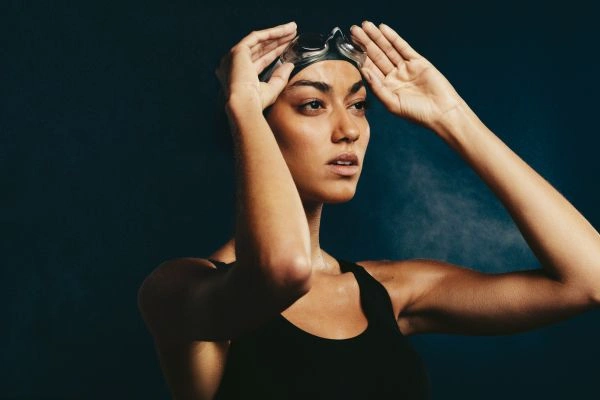
Consistency is another major benefit. When swimming feels comfortable, beginners are more likely to return regularly, which is key to long-term progress.
Pool Safety Tips For Beginners
Safety should always be part of the swimming experience, especially for beginners.
Start In Shallow Areas
Shallow water helps beginners adjust gradually without feeling overwhelmed.
Never Swim Alone
Supervision or companionship is important for safety in case of fatigue or difficulty.
Take Breaks When Needed
Resting helps prevent exhaustion and keeps swimming sessions safe and enjoyable.
Stay Hydrated
Even though swimming is done in water, the body still loses fluids and needs hydration.
Beginner-Friendly Swimming Brands
Several brands are widely trusted for beginner and recreational swimming gear.
- Speedo (swimwear, goggles, training equipment)
- Arena (performance and beginner-friendly gear)
- TYR (durable swim accessories and goggles)
- Adidas Swim (comfortable and functional swimwear)
These brands are commonly used in both training and casual swimming environments.
How To Build A Simple Swimming Routine
A structured routine helps beginners progress faster and stay consistent.
Start Small
Begin with short sessions focused on comfort and water adjustment.
Practice One Skill At A Time
Focus on floating, kicking, or breathing separately before combining them.
Increase Time Gradually
As confidence grows, slowly extend swimming duration and intensity.
Frequently Asked Questions
- What Are The Most Important Swimming Essentials For Beginners?
The most important items include swimwear, goggles, swim caps, and basic flotation tools for safety and comfort.
- Do Beginners Need Goggles For Swimming?
Yes, goggles protect the eyes and improve underwater visibility, making learning easier and more comfortable.
- What Should A Beginner Bring To The Pool?
A beginner should bring swimwear, goggles, a towel, a swim cap, and optional items such as a kickboard or a waterproof bag.
- Are Swim Caps Necessary For Beginners?
They are not required, but they help reduce drag and keep hair out of the face during swimming.
- How Can Beginners Stay Safe In The Pool?
Beginners should swim in shallow areas, avoid swimming alone, and use proper Swimming Essentials for Beginners to stay comfortable and safe.
Final Thoughts On Swimming Essentials For Beginners
Swimming becomes much easier when the right preparation is in place. The right swimming essentials for beginners help reduce discomfort, improve safety, and build confidence step by step. Instead of struggling with avoidable issues, beginners can focus on learning and enjoying the water.
With consistent practice and proper gear, progress becomes more natural and less stressful. A simple checklist of essentials is often all that is needed to turn an uncertain start into a confident swimming routine.