
 Jane
Jane
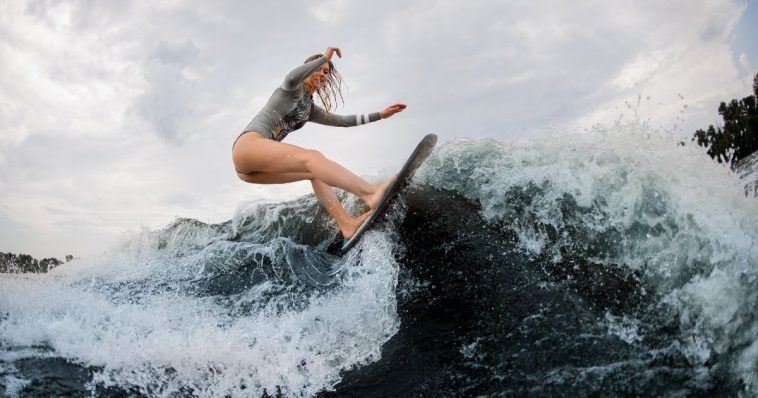
The most common question people ask before stepping into the ocean with a board: Is surfing hard to learn? While surfing looks smooth and effortless from the shore, in reality, it requires balance, timing, strength, and ocean awareness. For beginners, it can feel challenging at first, but it is also one of the most rewarding outdoor sports once the basics start to click.
Recent discussions about surfing and coastal sports highlight a growing interest in beginner-friendly surf programs. Many surf schools now focus on step-by-step training, making the learning process more structured and less intimidating. This has helped reduce the early frustration many new surfers experience.
Surfing is not just about standing on a board. It involves reading waves, understanding currents, and learning how the ocean behaves. With proper guidance and the right surfing gear, beginners can progress steadily rather than feel overwhelmed by the ocean’s power.
Surfing for Beginners in Real Conditions
The difficulty of learning to surf often depends on expectations. Many beginners assume standing up on a board is the hardest part, but in reality, the biggest challenge usually comes from timing and ocean conditions. Waves move quickly, and learning when to paddle and when to stand requires practice and patience.
Most beginners struggle with balance and coordination during their first few sessions. Even small waves can feel unpredictable and constantly shifting. However, surf instructors often emphasize that these early difficulties are completely normal and part of the natural learning curve, not a sign of failure.
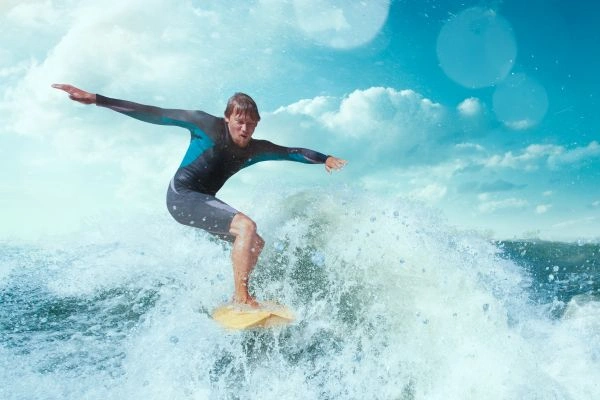
Modern surf schools have improved the beginner experience by using soft-top boards and designated calm beach zones. These setups reduce risk and allow learners to focus on the fundamentals without feeling overwhelmed by stronger surf conditions.
Essential Surfing Gear Every Beginner Needs
Having the right surfing gear plays a major role in making the learning process smoother and safer. Equipment is designed not only for performance but also for stability and protection in the water. Beginners benefit greatly from using gear designed specifically for entry-level surfing.
Soft-top boards from brands like Wavestorm are widely used in beginner surf schools due to their stability and safety features. These boards are forgiving during falls and easier to balance on compared to fiberglass boards.
- Soft-top surfboard for stability and safety
- Leash to keep the board attached during wipeouts
- Wetsuit for temperature protection
- Wax for grip on the board surface
- Rash guard for skin protection
Wetsuits from brands like O’Neill and Rip Curl are commonly used depending on water temperature. Proper gear helps beginners stay comfortable longer, thereby improving learning speed.
How Ocean Conditions Affect Learning To Surf
Ocean conditions are one of the biggest factors that determine how hard surfing feels. Waves, tides, and wind all influence how easy or difficult it is to practice. Calm, small waves are ideal for beginners, while strong surf can quickly become overwhelming.
Reading the ocean is a skill that develops over time. Beginners often start by learning how waves break and how currents move along the shore. This knowledge helps choose safer entry points and improve timing.
Many surf schools check daily conditions using up-to-date coastal forecasting tools from organizations such as the National Oceanic and Atmospheric Administration. These forecasts help instructors select safe practice areas for learners.
Surfing Basics Every Beginner Must Learn First
Before trying to stand on a board, beginners need to understand the core movements of surfing. These include paddling, positioning, and popping up. Each step builds the foundation for riding waves successfully.
Paddling is often more tiring than expected. It requires upper-body strength and proper technique to move through water efficiently. Many beginners underestimate how much effort it takes to reach the wave lineup.
- Proper paddling technique for wave entry
- Positioning on the board for balance
- Timing the wave before standing up
- Pop-up motion from lying to standing position
- Maintaining balance while riding the wave
Practicing these movements on sand before entering the water is a common training method. This helps build muscle memory and improves confidence during real surf sessions.
Why Balance Is The Biggest Challenge In Surfing
Balance is often the most difficult part of surfing for beginners. Unlike stable ground, the ocean is constantly moving. This means the body must adjust continuously to shifting weight and wave motion.
Even small waves can cause unexpected movement on the board. Beginners often fall repeatedly during their first sessions, which is completely normal. Over time, the body learns to adjust naturally.

Surf schools use foam boards and shallow water zones to help learners develop balance safely. Repetition is key, and improvement usually comes gradually rather than instantly.
How Surfing Gear Impacts Performance And Learning Speed
The quality and type of surfing gear directly affect how quickly beginners learn. A stable board, proper wetsuit, and safe leash system can make the difference between frustration and steady progress.
Soft-top boards are especially important for beginners. They provide more surface area and better buoyancy, which makes standing easier. This helps reduce early discouragement.
Brands like Decathlon offer beginner-friendly surf packages that include all essential gear in one setup. These bundled options are designed to simplify the entry process into surfing.
Common Mistakes Beginners Make While Learning To Surf
Many beginners make predictable mistakes that slow down their progress. One of the most common is trying to stand too early before the wave is properly caught. Timing is more important than speed.
Another mistake is using the wrong board size. Smaller boards may look appealing, but are harder to balance on. Beginners benefit more from larger, stable boards that provide extra support.
- Standing up too early or too late
- Using a board that is too small
- Ignoring wave conditions before entering the water
- Not practicing paddling techniques
- Overexerting energy too quickly
Avoiding these mistakes helps create a smoother learning experience and reduces frustration in early sessions.
Physical Fitness And Surfing Progress
Surfing requires a combination of strength, endurance, and flexibility. While it may not look physically intense from shore, paddling and wave handling can be demanding.
Upper body strength helps with paddling, while core stability improves balance on the board. Leg strength also plays a role when transitioning into a standing position.
Simple fitness routines like swimming, yoga, and light strength training can significantly improve surfing performance. Many surf coaches recommend cross-training to speed up progress.
Mental Challenges In Learning To Surf
Surfing is not only physical but also mental. Fear of waves, hesitation during pop-ups, and frustration from repeated falls are common challenges.
Building confidence takes time. Many beginners feel overwhelmed during their first few sessions, especially when waves feel unpredictable. However, consistency helps reduce fear and improve comfort in the water.
Staying calm and patient is one of the most important parts of learning. Progress often comes in small steps rather than sudden breakthroughs.
Environmental Awareness In Surfing
Surfing takes place in natural environments that must be respected. Oceans are sensitive ecosystems, and responsible behavior helps preserve them for future generations.
Avoiding littering and using eco-friendly products are simple ways to reduce environmental impact. Many surfers also choose biodegradable wax and sustainable gear options.
Respecting marine life is equally important. Maintaining distance from animals and avoiding damage to coral or coastal areas helps protect ocean ecosystems.
How Surfing Schools Help Beginners Improve Faster
Surfing schools play a major role in helping beginners learn efficiently. Structured lessons reduce confusion and provide step-by-step instruction that is hard to achieve on your own.
Instructors help with wave selection, timing, and safety awareness. This guidance significantly improves learning speed compared to self-teaching.

Many schools also provide high-quality equipment, including soft-top boards and beginner wetsuits. This ensures learners focus on technique rather than struggling with unsuitable gear.
Frequently Asked Questions
- Is Surfing Hard To Learn For Complete Beginners?
Surfing can feel challenging at first, but beginners usually improve quickly with proper instruction and consistent practice.
- What Is The Hardest Part Of Learning To Surf?
The hardest part is usually timing the wave and maintaining balance on the board while adjusting to ocean movement.
- What Surfing Gear Do Beginners Need?
Beginners need a soft-top board, leash, wetsuit, wax, and basic safety gear for comfort and stability.
- How Long Does It Take To Learn Surfing?
Most beginners can stand on a board within a few sessions, but consistent control takes weeks or months of practice.
- Can Surfing Be Self-Taught?
Surfing can be self-taught, but lessons from instructors make learning faster, safer, and more structured.
Is Surfing Hard To Learn Or Just Misunderstood
The answer to the question depends largely on preparation and expectations. While surfing can feel difficult at first, especially with waves and balance, it becomes much easier with practice and proper guidance.
With the right surfing gear, basic training, and consistent effort, beginners can progress steadily and enjoy the experience. What seems challenging at first often turns into a rewarding and enjoyable skill over time.
Surfing is less about instant success and more about gradual improvement. Each session builds confidence, making the ocean feel more familiar and less intimidating with every attempt.