
 Jane
Jane

Finding reliable gear for cold-weather camping often comes down to one essential item: Coleman sleeping bags. These sleeping bags are widely used by campers, hikers, and outdoor travelers because they offer a mix of affordability, insulation, and practical design. Whether planning a mountain trip or a simple weekend campout, choosing the right sleeping bag can make the difference between a restful night and a freezing, uncomfortable experience.
Recent outdoor gear discussions and reviews, including insights shaping camping trends around 2026, show a growing focus on warmth retention, packability, and moisture resistance. Coleman continues to appear in these conversations because its sleeping bags are designed for real-world camping conditions rather than extreme technical expeditions alone. Instead of chasing high-end features that most casual campers never use, these sleeping bags focus on what matters most: staying warm, staying comfortable, and staying reliable.
Why Coleman Sleeping Bags Remain Popular Among Campers
Coleman has been a trusted name in outdoor equipment for decades, and its sleeping bags remain a go-to choice for beginners and experienced campers alike. One reason is accessibility. Most models are budget-friendly yet offer decent insulation and durability for recreational camping. This balance makes them especially appealing for those who want dependable gear without spending too much.
Another factor is variety. Coleman sleeping bags come in different shapes, temperature ratings, and insulation types. This makes it easier for users to match a sleeping bag to specific weather conditions rather than relying on a one-size-fits-all solution. Campers heading into mild weather can choose lightweight options, while those planning colder trips can go for heavier, insulated designs.
Ease of use also plays a big role in their popularity. Many Coleman sleeping bags are designed with simple zippers, soft liners, and straightforward packing systems. This makes them beginner-friendly while still meeting the needs of regular campers. It is this mix of simplicity and reliability that keeps them relevant even as newer brands enter the market.
How To Choose The Right Coleman Sleeping Bag
Temperature rating is the most important factor when selecting a sleeping bag. Coleman provides options ranging from mild-weather comfort to cold-weather protection. Choosing the right rating ensures warmth without overheating or excessive bulk. It is always better to choose a slightly lower temperature rating than expected conditions, especially when camping in unpredictable environments.
Insulation type also matters. Most Coleman sleeping bags use synthetic insulation, which performs well in damp conditions and dries faster than natural alternatives. This makes them a practical choice for humid or rainy environments where moisture can reduce warmth. Synthetic insulation is also easier to maintain, which is helpful for frequent use.
Shape is another key consideration. Rectangular sleeping bags offer more room and are ideal for comfort-focused campers. Mummy-style sleeping bags, on the other hand, are designed to hug the body more closely, reducing heat loss. Choosing between these styles depends on whether comfort or warmth is the main priority.
Quick Tips For Choosing The Right Sleeping Bag
- Choose a temperature rating at least 10°F lower than expected conditions
- Pick synthetic insulation for better moisture resistance
- Decide between a rectangular (comfort) or a mummy (warmth) design
- Check size and fit to avoid heat loss or restricted movement
- Look for features like draft tubes, hoods, and zipper insulation
5 Coleman Sleeping Bags To Keep You Warm In Freezing Weather
1. Coleman Brazos Cold Weather Sleeping Bag
The Coleman Brazos is one of the most recognized entry-level cold-weather sleeping bags. It is designed for temperatures around 20°F and uses synthetic insulation that effectively traps body heat during chilly nights. This makes it a solid option for fall camping or mild winter conditions.
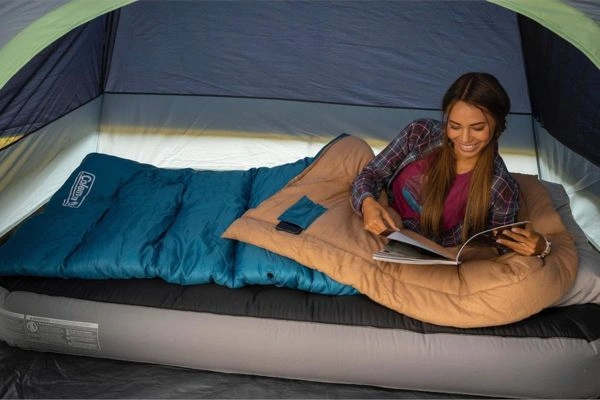
Comfort is one of its strongest features. The bag is spacious, making it suitable for campers who prefer extra room to move. The soft interior lining enhances overall comfort, especially for those who value a more relaxed sleeping experience. However, because of its rectangular shape, it does not retain heat as efficiently as tighter designs.
Despite this, the Brazos performs well for casual cold-weather camping. It is a great starting point for those who want a reliable sleeping bag without stepping into more technical or expensive options.
Pros
- Spacious design allows more movement during sleep
- Comfortable inner lining for relaxed camping nights
- Affordable and beginner-friendly option
- Performs well in cool to moderately cold conditions
Cons
- Rectangular shape reduces heat retention in colder temperatures
- Bulky compared to compact mummy-style bags
- Not ideal for extreme winter camping
2. Coleman North Rim 0°F Mummy Sleeping Bag
The Coleman North Rim is built for colder conditions and is often used in winter camping setups. With a 0°F rating, it is designed to retain heat in freezing environments, making it one of the more serious cold-weather options in the lineup.
Its mummy-style shape improves heat efficiency by reducing the bag’s internal volume. This design helps maintain warmth even when temperatures drop significantly. The adjustable hood adds another layer of insulation, keeping heat from escaping through the head area.
Campers often highlight their performance during cold nights, especially when paired with proper layering. Among Coleman sleeping bags, this model stands out for those who need dependable warmth in harsh conditions.
Pros
- Excellent heat retention for freezing temperatures
- Mummy design reduces heat loss effectively
- Adjustable hood adds extra warmth and insulation
- Reliable performance in winter camping conditions
Cons
- Snug fit may feel restrictive for some users
- Less room for movement compared to rectangular bags
- Slightly heavier than ultralight alternatives
3. Coleman Heritage Big & Tall Sleeping Bag
The Coleman Heritage Big & Tall sleeping bag is designed for users who need extra space without sacrificing warmth. It features a soft flannel liner that adds both comfort and insulation, making it feel more like a bed than a traditional sleeping bag.
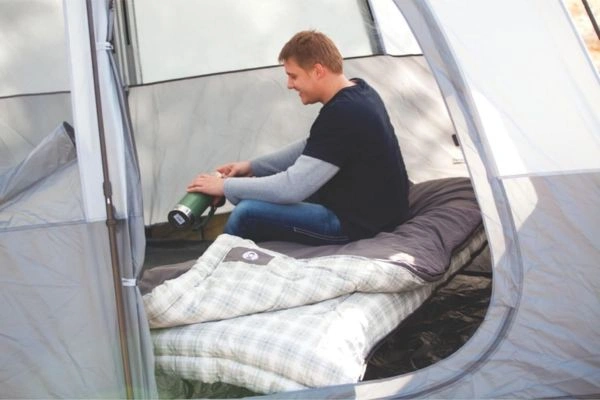
Its rectangular design prioritizes comfort, offering greater freedom of movement during sleep. This makes it a popular choice for campers who find mummy bags too restrictive. The added width and length also make it suitable for taller individuals.
While it may not be the best option for extreme cold due to its looser fit, it performs well in cool to moderately cold conditions. It is especially useful for car camping or trips where packing space is not a major concern.
Pros
- Extra space ideal for taller or larger campers
- Soft flannel lining adds comfort and warmth
- Great for relaxed, comfort-focused camping
- Durable and well-suited for car camping
Cons
- Bulky and less portable for backpacking
- Looser fit reduces heat efficiency in freezing weather
- Takes up more storage space when packed
4. Coleman Mummy Sleeping Bag 0°F Adult Size
This Coleman mummy sleeping bag emphasizes thermal efficiency. Its snug design helps trap body heat effectively, making it suitable for freezing temperatures and alpine camping. It is built with features that reduce heat loss, including insulated zippers and draft tubes.
The compact shape also makes it easier to pack and carry, which is helpful for backpacking trips. While it may feel restrictive for some users, the warmth it provides often outweighs the lack of space.
For campers who prioritize staying warm above all else, this model is among the most dependable Coleman sleeping bags.
Pros
- Strong thermal efficiency for cold and freezing conditions
- Compact and easy to pack for travel or hiking
- Insulated zippers and draft tubes reduce heat loss
- Ideal for backpacking and alpine environments
Cons
- A tight fit may feel uncomfortable for some users
- Limited movement inside the bag
- Less versatile for warmer conditions
5. Coleman Big Basin 15°F Sleeping Bag
The Coleman Big Basin is a balanced option for three-season camping. It is rated for 15°F and offers a blend of warmth, comfort, and space. This makes it ideal for spring, fall, and mild winter conditions.
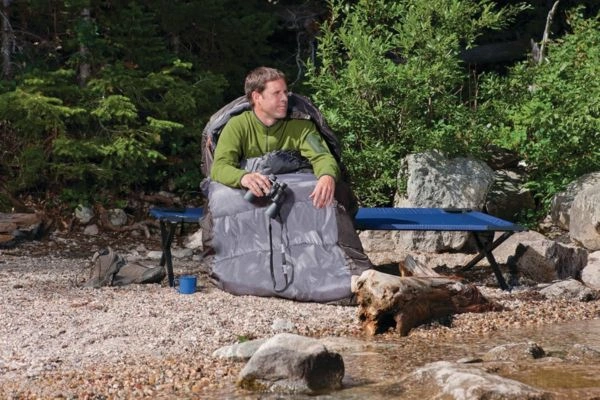
Its rectangular shape provides more freedom of movement, while the insulation ensures consistent warmth in cool weather. The interior lining is designed for comfort, making it suitable for longer trips where sleep quality matters.
This sleeping bag is often chosen by campers who want versatility. It sits comfortably between lightweight summer options and heavy-duty winter gear, making it a practical choice for a wide range of conditions.
Pros
- Balanced warmth suitable for three-season camping
- Spacious design offers better comfort during sleep
- Good versatility for different weather conditions
- Soft interior improves overall sleeping experience
Cons
- Not designed for extreme cold temperatures
- Bulkier than lightweight backpacking options
- Slightly less heat-efficient due to the rectangular shape
Performance In Cold Weather And Real Camping Conditions
Cold-weather performance varies across Coleman’s lineup, but insulation quality remains consistent. Models like the North Rim and mummy-style sleeping bags perform best in freezing conditions due to their tighter fit and higher thermal efficiency. These designs minimize air gaps, which helps retain body heat more effectively.
In real camping environments, external factors also play a role. Wind, ground temperature, and humidity can all affect how warm a sleeping bag feels. Even the best sleeping bag can struggle if used directly on cold ground without insulation.
Many campers pair Coleman sleeping bags with insulated sleeping pads to improve warmth retention. This combination helps reduce heat loss through the ground and creates a more comfortable sleeping surface. Layering clothing and using thermal liners can also enhance overall warmth.
Comfort, Size And Portability Differences
Comfort is one of the biggest advantages of Coleman’s rectangular sleeping bags. They offer more space to move around, which is ideal for campers who do not like restrictive sleeping gear. This extra room can make a big difference during longer trips.
However, this added space comes with a trade-off. More room means more air inside the bag, which can reduce heat retention. This is why rectangular sleeping bags are generally better for mild to moderately cold conditions rather than extreme cold.
Mummy-style bags, on the other hand, are designed for efficiency. They pack smaller, weigh less, and retain heat better. This makes them ideal for backpackers or anyone traveling long distances. Choosing between these styles depends on personal preference and the type of camping planned.
Maintenance And Longevity Tips
Proper care plays a key role in extending the lifespan of any sleeping bag. For Coleman sleeping bags, airing them out after every use helps reduce moisture buildup and prevent odor retention. This simple habit can greatly enhance long-term performance and durability.
Storage is another important factor. Keeping the sleeping bag loosely stored rather than tightly compressed helps maintain the insulation’s loft. Over time, constant compression can reduce the bag’s ability to retain heat.
Cleaning should be done with care, using mild detergents and cold water to help preserve the fabric and insulation quality. Machine washing is possible for many models, but following the manufacturer’s guidelines is essential. Regular maintenance ensures that the sleeping bag continues to provide reliable warmth across multiple camping seasons.
Frequently Asked Questions
- What Temperature Are Coleman Sleeping Bags Best For?
Coleman sleeping bags range from about 40°F for mild conditions to 0°F for winter use, depending on the model and insulation type.
- Are Coleman Sleeping Bags Good For Winter Camping?
Yes, certain models, such as the North Rim and mummy-style versions, are designed for freezing conditions and perform well when properly layered.
- Are Coleman Sleeping Bags Machine Washable?
Most Coleman sleeping bags are machine washable on a gentle cycle, but always follow care instructions to protect insulation and fabric.
- What Is The Difference Between Mummy And Rectangular Coleman Sleeping Bags?
Mummy bags retain heat better due to a snug fit, while rectangular bags offer more space and comfort with slightly less insulation efficiency.
- How Long Do Coleman Sleeping Bags Last?
With proper care and storage, Coleman sleeping bags can last for several years of regular camping use without losing performance.
Are Coleman Sleeping Bags Worth It?
Coleman sleeping bags remain a practical choice for campers who want dependable warmth without high cost. While they may not match premium expedition-level gear, they perform well in most recreational camping situations.
From mild-weather trips to freezing winter nights, the variety within the Coleman sleeping bags lineup makes it easier to find a suitable match. With proper selection and care, these sleeping bags can provide consistent comfort across many outdoor adventures.