 Tess M.
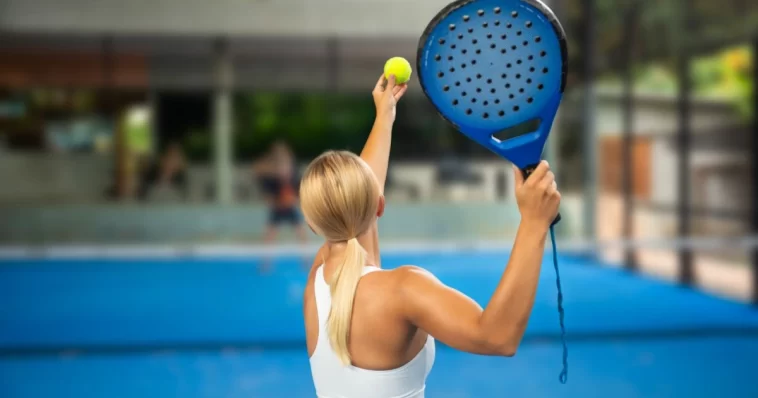
Padel sport has become one of the most talked‑about activities in the athletic world, attracting recreational players, seasoned racquet sports fans, and even celebrities. But what exactly is padel sport, and why is it gaining so much momentum globally? From its unique court setup to the friendly, social environment it fosters, padel offers a lot to players of all ages and skill levels. This article explores padel’s origins, rules, equipment, cultural impact, and reasons for its rapid rise in popularity. It also highlights why many analysts and enthusiasts call it the world’s fastest-growing sport right now.
What Is Padel Sport And How Did It Begin
Understanding padel starts with its roots and basic structure. Padel is a racquet sport that blends aspects of tennis and squash, offering an exciting and fast-paced game that’s easy to pick up and enjoy. It is usually played in doubles on a court that is about one-third the size of a tennis court and enclosed by walls. The key difference is that glass walls and metal mesh surround the court, and these surfaces are integral to gameplay. After a ball bounces on the court, it may hit the wall and remain in play, adding tactical depth to matches.
The sport traces its origins to Mexico in the late 1960s, when Enrique Corcuera adapted his backyard to fit a smaller court with walls. From there, padel spread through Spain and Latin America before blossoming into a global phenomenon. Today, millions of players across more than 130 countries enjoy padel, and the sport continues to expand both recreationally and professionally.
How Padel Is Played: Rules And Court Basics
Padel’s rules are straightforward and welcoming to new players, which is one reason it has spread so quickly. A padel match usually features two teams of two players, and scoring follows the familiar tennis format: 15, 30, 40, and game. Players serve underhand, must bounce the ball once before hitting it into the opponent’s court, and wall plays are a defining aspect of strategy.
The court itself measures approximately 10 meters by 20 meters and includes walls that can be used to extend rallies. This enclosed space creates fast, continuous action and encourages tactical play. Because of these features, beginners often find they can rally and enjoy games much sooner than in other racquet sports.
Why Padel Sport Is Growing So Fast Around The World
Padel’s explosive growth is not accidental. Several key factors have combined to make it one of the world’s most popular new sports:
Easy To Learn And Play
Unlike sports that require extensive training before they can be enjoyed, padel is accessible to everyone. Most players pick up the basics quickly and can rally within their first few sessions. This instant gratification makes it appealing to recreational athletes and social players alike.
Social And Inclusive Nature
Padel is traditionally played in doubles, which fosters a sense of teamwork and community. Its size and pace make it comfortable for players of varying skill levels to participate together, a contrast to some competitive sports that favor highly skilled athletes.
Rapid Global Expansion
The number of padel courts and players worldwide has surged in recent years. Reports show millions of participants and tens of thousands of courts globally, with especially strong scenes in Spain, Italy, Sweden, and parts of the Americas. These trends have turned the sport from a regional pastime into a global movement.
In places like the United States, new facilities and clubs are opening regularly, and recreational leagues are forming. Cities such as Tampa Bay, Florida, have seen dedicated padel venues emerge, offering both member and non‑member access to courts.
Equipment Essentials: What You Need To Start
While padel is simple to learn, having the right gear can significantly improve your experience and performance on the court. Here’s a look at the essential equipment for anyone interested in playing padel:
Padel Racket
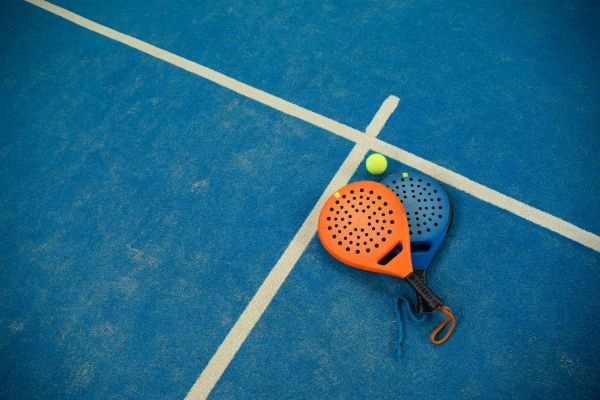
Padel rackets differ from tennis or squash rackets because they are solid, with no strings, and often feature a perforated surface. These rackets are designed for control, spin, and playability in enclosed court environments. Choosing a racket that feels comfortable and matches your skill level is key to improving quickly.
Padel Balls
Padel balls resemble tennis balls but have slightly less pressure to accommodate wall play and court dynamics. Choosing balls approved by official padel federations ensures consistent bounce and performance.
Court Shoes
Because padel involves quick lateral movement and rapid direction changes, footwear that provides a strong grip and ankle support is essential. While tennis shoes offer a reasonable alternative for beginners, padel‑specific shoes provide better traction and reduce the risk of injury.
Professional Padel And Competitive Play
Padel is not just a recreational pastime. It has grown into a serious competitive sport with international circuits, high‑level players, and professional tournaments. One of the most prominent professional padel tours is Premier Padel, which organizes events across multiple countries and features elite players from around the world.
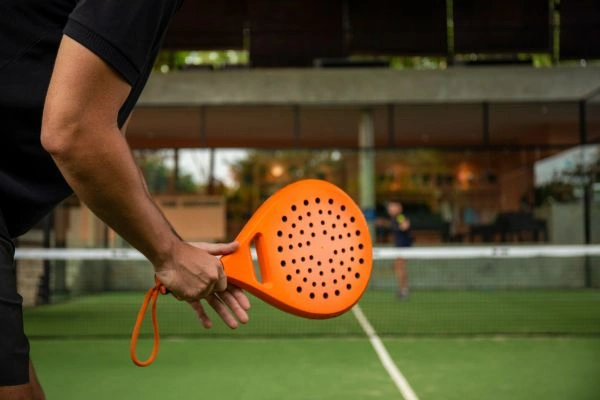
Major competitions draw crowds both on-site and through digital broadcasts, showcasing the skills and speed of top padel athletes. These events help attract new fans to the sport and inspire recreational players to improve their game.
Padel Culture: How Celebrities And Communities Embrace It
In addition to professional leagues and local clubs, padel has also found popularity through celebrity involvement. High‑profile figures in entertainment and sports have helped raise awareness, contributing to its cultural cachet in diverse markets. This visibility encourages social play and draws new participants who may have felt intimidated by other sports.
In the UK, for example, national participation numbers have surged, with nearly one million people trying padel recently. The growing number of courts, events, and celebrity endorsements has made the sport accessible, fashionable, and fun.
Padel And Environment: Challenges And Adaptations
As padel’s presence expands, so do conversations about its environmental impact. In some regions, the construction of glass‑walled courts has had unintended consequences, such as bird collisions on outdoor courts. Efforts to address these concerns include improved netting solutions that help protect local wildlife without hindering play.
These adaptations show that the padel community is actively considering sustainable growth, balancing infrastructure development with ecological responsibility.
How Padel Compares To Other Racquet Sports
Padel’s rise has drawn comparisons to other popular racquet sports, such as tennis and squash. While each sport has its unique traits, padel stands out in several ways:
- Court Size and Play Style: The enclosed court and use of walls make padel distinct, fostering long rallies and strategic wall shots.
- Accessibility: For newcomers, padel often feels easier to enjoy on the first day than traditional racquet sports because the court is smaller and the ball is slower.
- Social Play: Because it is almost always played in doubles, padel emphasizes teamwork and social interaction.
Because of these qualities, many players who enjoy racquet sports find padel refreshing and engaging.
Health Benefits Of Playing Padel
Playing padel offers more than just fun. It provides several physical and mental health benefits:
- Cardiovascular Fitness: Constant movement, short sprints, and changes of direction help boost heart health and endurance.
- Coordination and Reflexes: Padel requires quick reactions and hand‑eye coordination, which improve over time.
- Social Well‑Being: The doubles format encourages communication and connection with others, which can lower stress and enhance enjoyment.
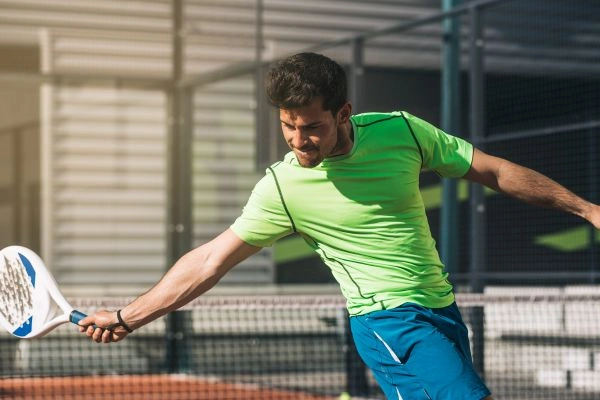
These benefits contribute to padel’s appeal as both a lifestyle sport and a competitive activity.
Expert Tips For New Padel Players
Whether you are stepping onto the court for the first time or returning after a break, consider these tips to improve your padel experience:
- Focus on Placement Over Power: Early on, strategic placement typically yields better results than trying to hit hard shots.
- Learn To Use The Walls: Embracing wall play expands shot options and keeps rallies going longer.
- Stay Active And Balanced: Move your feet, stay low, and anticipate your opponent’s plays to stay one step ahead.
Taking lessons or playing with more experienced players can also speed up your learning and make matches more enjoyable.
Frequently Asked Questions
- What Is Padel Sport And How Is It Played?
Padel is a racquet sport that blends elements of tennis and squash, played mainly in doubles on a small, enclosed court where the walls are part of the gameplay.
- Why Is Padel Growing So Fast Worldwide?
The sport’s easy learning curve, social nature, and growing number of venues contribute to its rapid global growth.
- What Equipment Do Beginners Need To Start Playing Padel?
Beginners should start with a padel racket, padel balls, and court‑appropriate shoes that support quick lateral movement.
- Can Padel Be Played Competitively?
Yes, padel has professional circuits, such as Premier Padel, as well as many local leagues where players of all levels compete.
- How Does Padel Differ From Tennis And Squash?
Padel is played on a smaller enclosed court with walls used in play, and serves are underhand, making it a unique experience distinct from tennis or squash.
Why Padel Sport Is Worth Trying
Padel’s growth as a global sport speaks volumes about its appeal. With friendly rules, a strong social component, and accessibility for new players, it continues to draw millions worldwide. Whether you are looking for a new competitive outlet or a fun way to stay active with friends, padel sport offers something special. Its blend of tactical play, inclusive culture, and rapid expansion makes it an exciting choice for anyone curious about racquet sports. Give it a try and experience why so many people are embracing padel and making it part of their athletic lifestyle.