 Tess M.
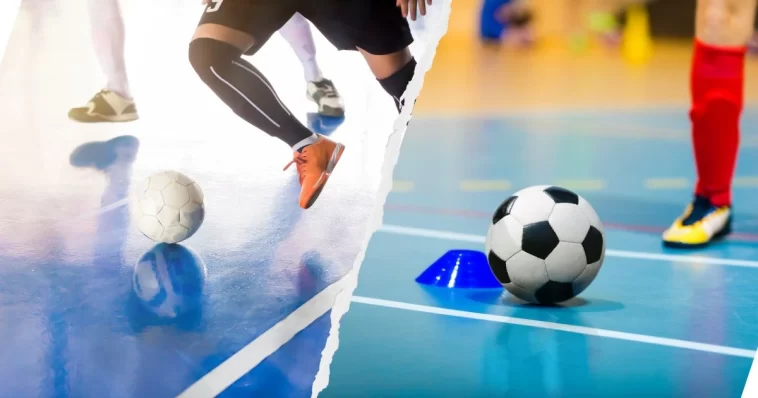
At first glance, a futsal ball and a soccer ball might look very similar. They’re both round, stitched, and designed for kicking — but there’s a lot more to it than meets the eye. The futsal ball vs soccer ball debate has confused players, parents buying gear for their kids, and even experienced players who never questioned the equipment they use. Despite their similarities, these two balls are made for completely different games, different surfaces, and distinct styles of play. Using the wrong ball can not only affect your performance but also damage gym floors, wear out your equipment more quickly, and hinder your skill development.
With futsal rapidly growing in popularity and more players picking up a futsal ball for the first time, understanding the key differences between futsal balls and soccer balls is crucial. In this guide, we break down everything from specs and construction to skill benefits and top brands to help players make an informed decision about which ball to use.
What Is a Futsal Ball?
A futsal ball is a specialized ball designed specifically for the game of futsal, which is played indoors on hard surfaces like wooden or concrete courts. It’s not just a smaller version of a soccer ball; the futsal ball’s design is meant to reduce bounce while maintaining control on flat, hard surfaces.
Futsal Ball Size and Weight
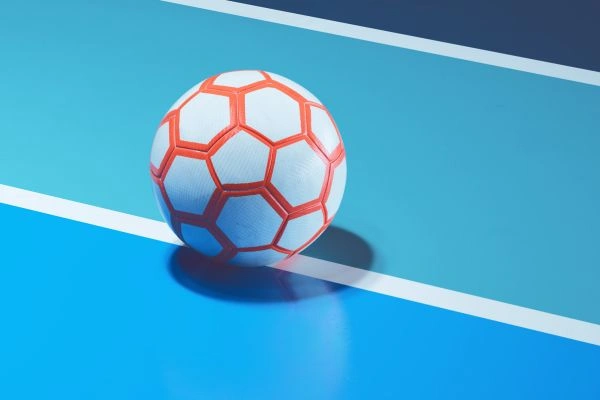
The standard futsal ball used in competitive play is Size 4, with a circumference of 62-64 cm and a weight of 400-440 g. What makes it unique is the internal foam padding layer inside the bladder, which reduces bounce. When dropped from a height of one meter, a futsal ball only bounces back 50 to 65 centimeters, whereas a standard soccer ball rebounds 100 to 150 centimeters. This difference is crucial, as it directly affects how the game is played and how players control the ball.
Official Sizes for Futsal
- Size 2: Mini ball, designed for children under 8 years old.
- Size 3: Junior ball, suitable for players aged 8 to 12 years.
- Size 4: Standard ball for players aged 12 and older, including professional futsal tournaments like the UEFA Futsal Championship and FIFA Futsal World Cup.
Each size is engineered to match the player’s developmental stage, making the futsal ball appropriate for a wide range of skill levels.
Futsal Ball vs Soccer Ball: The Key Differences
Despite their similarities, the futsal ball vs soccer ball comparison reveals important differences that affect gameplay, ball control, and the overall experience.
Size and Weight
A standard soccer ball (Size 5) has a circumference of 68 to 70 cm and weighs 410 to 450 grams. In comparison, the futsal ball (Size 4) is smaller, with a circumference of 62 to 64 cm and weighing 400 to 440 grams. Though the futsal ball is slightly lighter, it feels heavier because of its smaller size relative to its weight. This density helps keep the ball low to the ground and encourages better foot control rather than relying on aerial passes.
Bounce and Bladder Construction
The most significant difference between a futsal ball and a soccer ball is the bounce. A futsal ball uses a foam-filled bladder that absorbs impact and dampens bounce. This ensures that the ball stays close to the ground, which is essential for futsal’s fast-paced, close-control play. On the other hand, soccer balls have a latex or butyl bladder designed for air travel and long passes, meaning they bounce much higher. Using a soccer ball on a futsal court results in excessive bounce, making it difficult to control.
Playing Surface and Outer Material
- Soccer balls are generally made with polyurethane or PVC coatings designed to withstand outdoor conditions, such as wet grass or muddy fields.
- Futsal balls, however, use synthetic leather optimized for smooth indoor surfaces, offering better grip and feel on wooden or concrete courts. The material is also built to resist wear and tear from constant friction against hard surfaces, unlike soccer balls, which can quickly lose their feel on such courts.
How Each Ball Shapes the Way the Game Is Played
The design differences between the futsal ball and the soccer ball lead to distinct playing styles and strategies.
Futsal Ball
Due to its low bounce, futsal forces players to keep the ball on the ground at all times. There’s no waiting for a high bounce to settle; control must happen immediately on the first touch. This encourages ball mastery, quick decision-making, and precise footwork. Players are constantly working under pressure, improving their technique and close control.
Soccer Ball
The soccer ball’s higher bounce enables aerial play, including passes, volleys, and headers. This opens up a broader tactical range, allowing players to rely on long passes, high balls, and team formations that involve greater distance and air control.
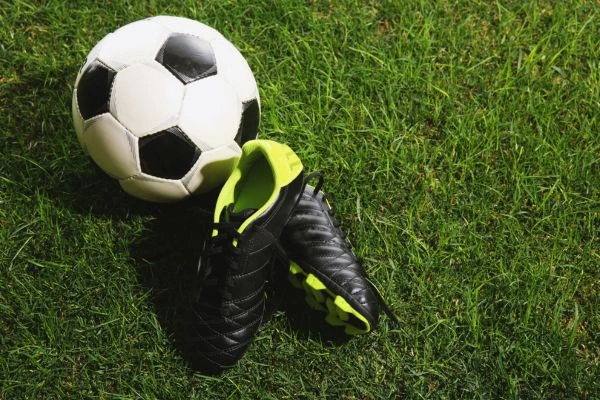
Both balls suit their respective games, but they aren’t interchangeable. Playing with the wrong ball on the wrong surface can completely change how the game is played.
Why Pro Soccer Players Train With a Futsal Ball
It’s no secret that many professional soccer players, including Lionel Messi, Ronaldinho, and Neymar, grew up playing futsal. Coaches often credit futsal with building the technical foundation that helped these players become world-class talents. There’s a reason for this.
Futsal’s Influence on Soccer Skills
In futsal, each player touches the ball six times more than in a traditional soccer match. This provides players with far more opportunities to practice essential skills in a fast-paced environment. The small court and low bounce create constant pressure, forcing players to make quick decisions and execute precise moves. Over time, this rapid decision-making becomes automatic, making players more effective and comfortable in high-pressure situations.
Futsal Improves Specific Skills
Futsal helps develop a range of skills that transfer directly to soccer, including:
- Close control in tight spaces
- Quick passing and ball movement
- Sharp first touch
- Balance and coordination
Players who regularly train with a futsal ball often show better spatial awareness, improved dribbling, and enhanced overall ball control when they transition to the larger soccer field.
How to Choose the Right Futsal Ball for Your Level
Not all futsal balls are created equal. Depending on your skill level, here’s what to look for when choosing a futsal ball.
For Beginners and Kids
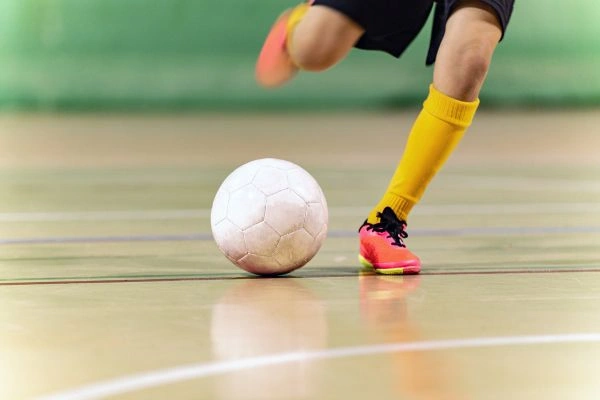
Choose a softer, more forgiving futsal ball that helps build confidence and control. A Size 3 ball for kids and a Size 4 ball for teenagers and adults is typically recommended. Beginners will benefit from a ball with ample cushioning, making first touches more manageable.
For Intermediate Players
At this level, durability and ball feel become more important. Look for balls with synthetic leather outer covers, reinforced stitching, and bladders that hold pressure well. The ball should have a consistent bounce and withstand regular training sessions.
For Advanced and Competitive Players
For high-level players, FIFA Quality Pro-certified futsal balls are the top choice. These balls have passed rigorous testing for weight, bounce consistency, shape retention, and water resistance. They offer superior grip and touch response, essential for competitive play.
Top Futsal Ball Brands Worth Considering
The futsal ball market offers a range of options, but certain brands stand out for their consistent performance and quality.
Adidas
Adidas remains a leader in futsal ball production. The Adidas Trionda Training Sala is a popular training ball, hand-stitched for durability and built with a low rebound for better control. For professional play, the Adidas Pro Sala offers FIFA Quality Pro certification and is favored by top-level players worldwide.
Nike
Nike’s Premier X line features a 32-panel hand-stitched design for better control and consistent performance. With its textured casing and high-contrast design, it is perfect for intermediate to advanced players.
Select and Senda Athletics
Both Select and Senda Athletics offer high-quality futsal balls. Select’s Super Line is used in professional futsal leagues, while Senda is known for its eco-friendly balls, which have become increasingly popular among conscious consumers.
The Rise of Smart and Eco-Friendly Futsal Balls
The future of futsal balls is moving toward sustainability and technology.
Eco-Friendly Futsal Balls
Brands like Senda have committed to producing eco-friendly futsal balls made with recycled synthetic leather and biodegradable components. These products meet the growing demand for sustainable sports equipment while maintaining performance standards.
Smart Futsal Balls
Nike has been developing smart futsal balls equipped with sensors that track metrics like speed, spin rate, and touch frequency. These balls provide real-time data to improve skills, making them perfect for players and coaches seeking in-depth feedback.
How to Care for Your Futsal Ball
To extend the life of your futsal ball, proper maintenance is essential.
- Store it properly: Keep your ball in a cool, dry place to prevent damage from heat and moisture.
- Maintain inflation: Ensure the ball is inflated to the manufacturer’s recommended pressure to maintain shape and bounce consistency.
- Clean it regularly: After each use, wipe the ball down with a damp cloth to remove dirt and sweat.
Frequently Asked Questions
- What’s The Main Difference Between A Futsal Ball And A Soccer Ball?
A futsal ball is smaller, heavier, and has much less bounce compared to a soccer ball, making it better suited for indoor play.
-
No, a regular soccer ball is not suitable for futsal. It bounces too much on hard indoor surfaces and is difficult to control during play.
- What Size Futsal Ball Should Adults Use?
Adults should use a Size 4 futsal ball, which is the standard for professional futsal competitions.
- Does Playing With A Futsal Ball Improve Soccer Skills?
Yes, futsal helps develop close control, quick passing, and first touch, which directly translates to better soccer skills.
- What Should I Look For When Buying A Futsal Ball?
Look for the right size, FIFA-certified quality, synthetic leather outer covers, and a foam-padded bladder for low bounce and durability.
Choosing the right futsal ball is essential for improving your game, whether you’re a beginner or a seasoned player. Understanding the differences between futsal balls and soccer balls will help you make the best choice for your training needs. With the right equipment, you can develop your technical skills faster and enjoy a more engaging experience on the futsal court.