 Tess M.
If you’ve been looking for a reason to get off the couch and meet new people, racket sports might be just what you need. Whether it’s the back-and-forth rhythm of a pickleball rally, the doubles energy of a padel court, or the familiar comfort of a weekly tennis league, racket sports have a built-in social element that most other workouts can’t match. People who play these sports aren’t just getting fit—they’re building friendships, joining communities, and finding a reason to show up week after week. This article explores how racket sports are bringing people together, which sports are leading the charge, and where to find your own community.
Why Racket Sports Are More Than Just Exercise
There’s something about standing across a net from another person or partnering up with someone that changes the dynamic of a workout. The social aspect of racket sports is not accidental—it’s built into the format of nearly every game.
Racket sports are almost as social as they are physical. Even on public courts, they offer a “clubby” vibe where people feel less isolated. That informal sense of belonging is something solo gym sessions or solitary runs can’t replicate. You show up, find a game, and leave knowing a handful of people by name. Over time, these people become part of your weekly routine, and the sport turns into less of a fitness session and more of a social event.
The health benefits are real, too. Racket sports provide full-body conditioning, improve heart health, lower blood pressure, and boost brain function. But for many players, the mental side of things is just as important. Pickleball, for example, enhances well-being, life satisfaction, and social integration, especially in older adults. These aren’t minor perks. For people navigating loneliness, major life transitions, or new cities, a court can become a lifeline.
What Makes Racket Sports Uniquely Social
Not every sport brings people together in the same way. Here’s what sets racket sports apart from most other physical activities:
- Doubles formats are the norm in padel and pickleball, meaning you always need a partner and opponents, naturally fostering connections.
- Rotating partners in open play and round robins ensures you meet new people every session, not just the same two friends.
- Short learning curves in sports like pickleball and padel lower the barrier for newcomers, so friend groups can pick it up together.
- Community-first culture at most clubs, where regulars often welcome new players rather than ignore them.
- Post-game socializing is built into the format at many venues, from casual court chats to organized food-and-drink events.
Pickleball: The Sport That Practically Forces You to Make Friends
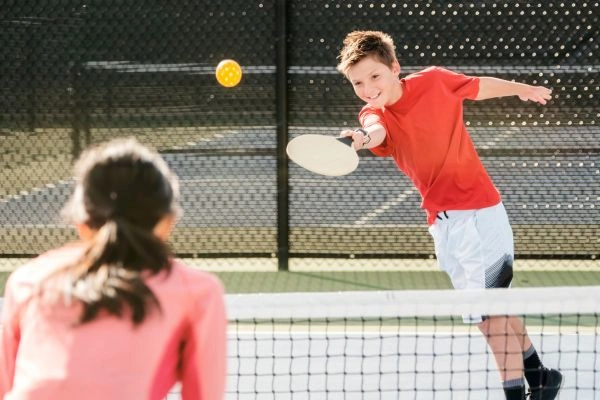
Pickleball is a social sport almost by accident. The smaller court, slower ball, emphasis on strategy over pure athleticism, and the fact that you are almost always playing doubles all combine to create a vibe that feels more like a gathering than a competition.
According to the US Tennis Association, tennis participation reached a record 27 million players in 2025. Pickleballers are quickly catching up, with a new report estimating 24.3 million Americans played pickleball in 2025—a 24% increase from the previous year. These numbers point to something beyond a fitness trend. Pickleball is attracting people who’ve never played a racket sport, and the welcoming community surrounding it is a big reason they stick around.
The open play format is where much of the social magic happens. Players show up, put their paddle in a stack or a line on the court, and rotate in and out of games with whoever is waiting. Within an hour, you could play with six or eight different people, and after a few weeks, the court starts to feel like a neighborhood. Platforms like Pickleheads have made finding games even easier, allowing players to locate open play sessions, join round robins, and connect with others at their skill level anywhere in the country.
Social Pickleball Formats Worth Trying
If you want to meet people through pickleball, here are the formats that do it best:
- Open play/drop-in: Show up, join a rotation, and meet whoever is there. Best for solo players looking for an immediate connection.
- Round robins: Organized sessions where partners rotate, guaranteeing you’ll meet every player on the court.
- Social leagues: Weekly, leveled play like those run by the Lexington Pickleball Club, where the same group plays together for a four- to six-week block, building real familiarity.
- Themed tournaments: Events like The Picklr’s Turkey Brawl or holiday tournaments combine competitive play with festive, community-driven atmospheres.
- Club memberships at venues like CityPickle or PKL Social: These venues pair pickleball with food, drinks, and a social bar environment that extends the experience well past the last rally.
Padel: The Sport Built Around Doubles, Food, and New Friends
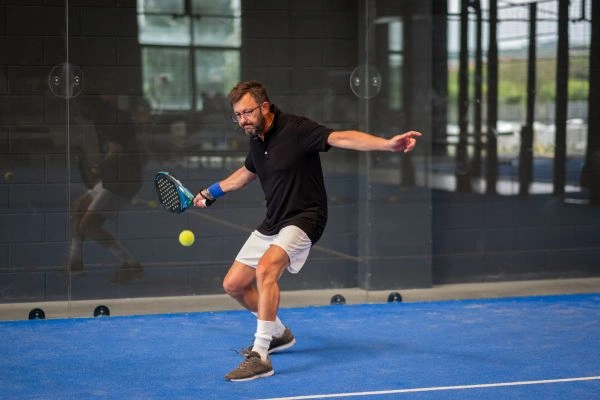
Padel is the fastest-growing racket sport worldwide right now, and a big part of its appeal is its social structure. Padel is almost always played in doubles, which immediately changes the vibe. Players aren’t just competing—they’re coordinating, adjusting, and communicating. This built-in social aspect is a big reason why the sport is booming globally.
Unlike tennis, where singles play is common and solo practice sessions are typical, padel almost always requires four people. That necessity becomes a feature, not a limitation. When you need three other people to play, you’re automatically motivated to reach out, connect, and find a group. New clubs across the U.S. have embraced this dynamic, designing their spaces and programs around the idea that padel is a social experience first and a sport second.
At the SLC Padel Club in Utah, founder Pedro Bautista put it plainly: “The game becomes the reason you show up, but the community becomes the reason you stay.” The club runs signature events like Tapas Tuesday, a two-hour rotating-partners round-robin with food from Venezuelan, Argentinian, and Peruvian cuisines, explicitly designed to blend skill-building with socializing. Every other Sunday features a women’s day, and family-oriented weekend pricing makes it accessible to a broader audience beyond the typical early-adopter crowd.
Where Padel Communities Are Growing
Padel clubs are opening rapidly across major U.S. cities, each with a strong community focus:
- Padel39 (Austin, TX and Dallas, TX): Known for its “Après39” post-game social concept, complete with a bar terrace, fire pits, and TVs between courts. The East Austin location opened in 2026 and is designed to function as a social hub within the local community.
- Padel Social (Bethesda, MD): Reopening at a permanent location in spring 2026, with a mission centered on fostering a friendly, inclusive environment that captures the true spirit of the game.
- SLC Padel Club (Salt Lake City, UT): Utah’s first padel facility, built around community events, matchmaking, and rotating social sessions.
- Park Padel (San Francisco and Sacramento, CA): Offers free court time socials Monday through Thursday and weekly “americanos,” where individuals sign up solo and get matched with players at their skill level.
- Pacific Padel Project and Cascadia Padel (Seattle, WA): Two new clubs opening in the Pacific Northwest, bringing padel to one of the last major U.S. metros without a dedicated facility.
What a Typical Social Padel Session Looks Like
If you’re curious about what the social side of padel looks like in practice:
- Players arrive for a booked court session with three other players, usually lasting 90 minutes.
- Americano or round-robin formats rotate partners every few games, so everyone plays with everyone else.
- After the session, most clubs have a lounge, bar, or terrace space designed for post-game socializing.
- Many clubs use apps like Playtomic or PlayByPoint to handle court bookings and partner matchmaking.
- Weekly events, themed nights, and beginner socials provide low-pressure entry points for new players.
Tennis: A Lifetime Social Sport with Deep Community Roots
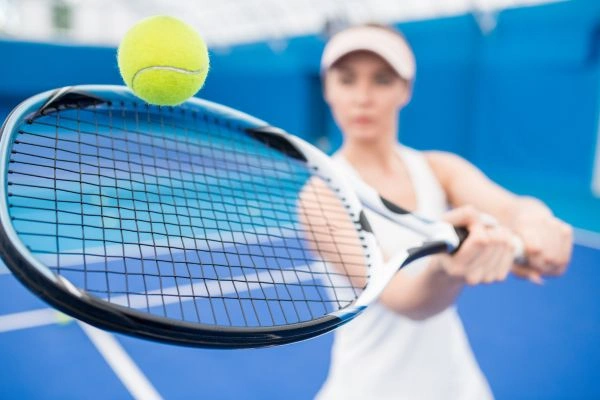
Tennis has long been a social sport. The club culture surrounding tennis has been building community for decades, and it remains one of the strongest examples of how a racket sport can bring people together across generations and life stages.
Groups regularly gather to play tennis at public courts, meet mid-morning, and compete in tournaments that raise money for causes like breast cancer research. For many players, the social aspect is equally as important as the game itself. One player quoted in a recent Coastal Illustrated feature put it well: Tennis is the only thing that makes her stop thinking about work. That kind of mental break, combined with a ready-made circle of people to share it with, is something difficult to replicate elsewhere.
The USTA (United States Tennis Association) has long supported the game’s social structure through community leagues, local club programs, and organized doubles formats. Tennis clubs have also evolved to stay relevant alongside newer sports, adding flexible memberships, shorter match formats, and mixed-sport programming to attract working adults and younger players seeking community without a heavy time commitment.
Tennis Social Formats That Build Community
- ALTA (Atlanta Lawn Tennis Association) and similar regional leagues: Structured doubles leagues that rotate players across teams over the course of a season, fostering a consistent group identity.
- USTA community leagues: National programs at all skill levels that match players into local teams for weekly matches.
- Cardio tennis: Group fitness classes that blend rallies with high-energy music, popular at community centers and clubs.
- Mixed doubles socials: Partner rotation formats at clubs and rec centers that mix skill levels and prioritize meeting new people.
- Round robin clinics: Coached group sessions that combine instruction with organized match play, ideal for newer players building both skills and social circles.
How Clubs and Venues Are Designing for Social Connection
Racket sport venues are becoming much smarter about building community into their physical spaces and programming. RacquetX 2026 brought together club operators, brands, and industry leaders to discuss what’s working, focusing on community, wellness, and long-term participation. This conversation is filtering into the way individual clubs operate day-to-day.
The old model of a tennis club with just courts, a pro shop, and little else is giving way to a more social experience. Modern racket sports facilities are being designed with connection in mind, from lounge spaces to daily programming calendars filled with events.
Features to Look for in a Social-First Racket Sports Club
When choosing a club or venue, look for these signs of a genuine community focus:
- Dedicated social spaces between or adjacent to courts, not just a waiting area.
- Regular socials and mixers on the programming calendar, not just competitive leagues.
- Beginner-friendly events that lower the barrier for newcomers to both the sport and the community.
- Matchmaking tools or a staff member who actively connects players looking for games.
- Post-game food and drink options that extend the experience beyond court time.
- Themes and events tied to holidays, seasons, or cultural occasions to keep people coming back.
The Mental Health Benefits of Joining a Racket Sports Community
Research into racket sports and mental health shows consistent findings. These sports are not just good for the body—they are good for the mind, with much of the benefit coming from the social aspect.
Pickleball, for example, has been shown to improve well-being, life satisfaction, and happiness, with a significant negative correlation to depression. The social component of the game is a key factor, especially for older adults. Similarly, padel players report increased self-confidence and reduced anxiety, with the sport’s community format providing additional social motivation.
Who Benefits Most from Racket Sports Socializing
While racket sports are welcoming to everyone, certain groups tend to gain the most from the community aspect:
- Older adults and retirees are seeking structured, regular social contact alongside physical activity.
- New residents in a city are looking for a ready-made way to meet people who share their interests.
- Remote workers are missing the social contact of a typical office environment.
- People recovering from social anxiety or depression are benefiting from low-pressure, structured social settings.
- Parents returning to sport after years away, looking for an adult community beyond school pickup.
Frequently Asked Questions
- Which Racket Sport Is The Most Social For Beginners?
Pickleball is the most accessible and social racket sport for beginners. The smaller court, slower ball, and doubles play make it easy for new players to start interacting and playing with others.
- Do You Need To Know People Already To Join A Racket Sports Community?
No, most open play sessions and social leagues are designed for solo sign-ups, and platforms like Pickleheads make it easy to find games with new players.
- Are Racket Sports Good For Mental Health?
Yes, research shows that racket sports like pickleball and padel can improve well-being, happiness, and social integration, with significant benefits for mental health.
- What Is The Best Way To Find A Racket Sports Community Near You?
Use platforms like Pickleheads for pickleball or Playtomic for padel to find local sessions and connect with players. For tennis, check the USTA website for leagues and clubs in your area.
- Can Racket Sports Help With Loneliness?
Yes, the social nature of racket sports helps combat loneliness by providing regular social contact and creating a sense of community, especially for those new to an area or in need of social support.
The Social Power of Racket Sports
Racket sports like pickleball, padel, and tennis offer much more than just physical exercise. They create communities, foster social connections, and help improve mental health, making them the perfect activities for anyone looking to stay fit while building lasting relationships. Whether you’re a seasoned player or just starting, these sports offer a unique way to engage with others while improving your physical and mental well-being.